Field Marshall Munir was even more overtly critical. Speaking to military officials on Tuesday, he said the attack on Saudi Arabia "spoils sincere efforts to resolve the conflict through peaceful means". This was some of the strongest language used by Pakistan towards Iran since the conflict began.Some analysts suggested that this could add to the pressure on Iran. Pakistan has a defence pact with Saudi Arabia, which has currently not been invoked, despite repeated attacks on Saudi Arabia.After midnight in Pakistan, the country's Prime Minister posted on X that "diplomatic efforts… are progressing steadily, strongly and powerfully with the potential to lead to substantive results in near future" and asked President Trump to extend the deadline for two weeks and for Iran to open the Strait of Hormuz for the same period.Iran's ambassador to Pakistan, Reza Amiri Moghadam, posted on X around 03:00 local time (midnight BST) that there had been "a step forward from critical, sensitive stage".Just before 05:00, Pakistan's Prime Minister announced that a ceasefire had been agreed and invited the two sides to meet in Islamabad on Friday, 10 April to "further negotiate for a conclusive agreement"."We are still being very circumspect," the Pakistan source told the BBC, saying that there was a "continued fragility" to the situation. There is still no trust between the two sides, with strongly entrenched positions.
SRCBBC News - World
LANGEN
LEANCenter
WORDS224
ENT10
WED · 2026-04-08 · 05:03 GMTBRIEF NSR-2026-0408-57756
NSR-2026-0408-57756News Report·EN·Diplomatic
How Pakistan helped secure a fragile ceasefire between the US and Iran
Pakistan played a key role in securing a fragile ceasefire between the US and Iran. Tensions had escalated, prompting Pakistan's Field Marshall Munir to criticize Iran's actions, signaling support for Saudi Arabia, with whom Pakistan has a defense pact.
BBC News - WorldFiled 2026-04-08 · 05:03 GMTLean · CenterRead · 1 min
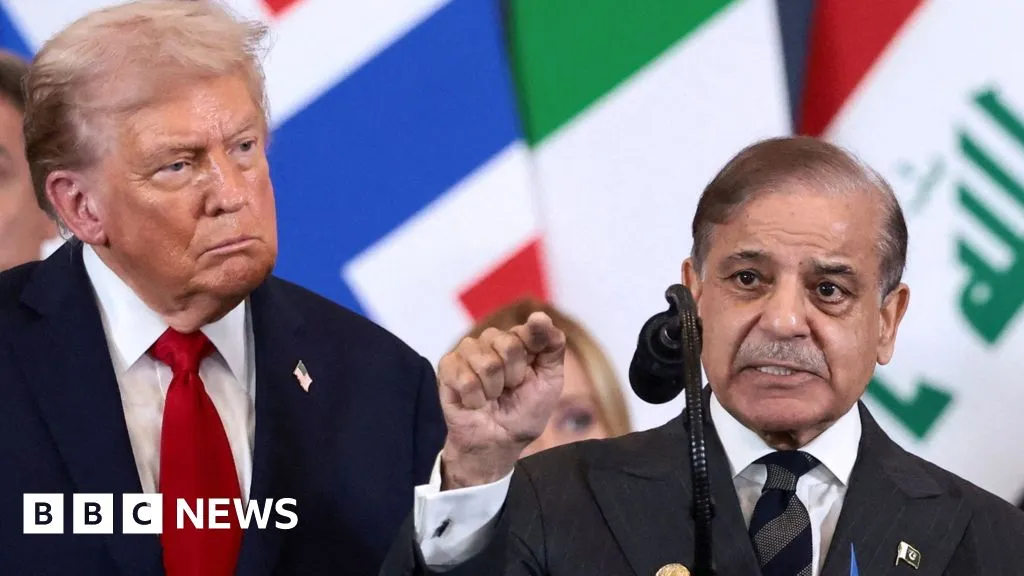
BBC News - WorldFIG 01
Reading time
1min
Word count
224words
Sources cited
4cited
Entities identified
10entities
Quality score
100%
§ 01
Briefing Summary
AI-generatedNEWSAR · AI
Pakistan played a key role in securing a fragile ceasefire between the US and Iran. Tensions had escalated, prompting Pakistan's Field Marshall Munir to criticize Iran's actions, signaling support for Saudi Arabia, with whom Pakistan has a defense pact. Pakistan's Prime Minister then engaged in diplomatic efforts, requesting President Trump to extend a deadline and urging Iran to open the Strait of Hormuz. These efforts led to a ceasefire agreement, announced by the Prime Minister, who invited both sides to Islamabad on April 10th for further negotiations. Despite the agreement, sources indicate the situation remains fragile due to a lack of trust between the US and Iran.
Confidence 0.90Sources 4Claims 5Entities 10
§ 02
Article analysis
Model · rule-basedFraming
Diplomatic
National Security
Tone
Measured
AI-assessed
CalmNeutralAlarmist
Factuality
0.70 / 1.00
Factual
LowHigh
Sources cited
4
Well sourced
FewMany
§ 03
Key claims
5 extracted01
Pakistan's Prime Minister announced a ceasefire agreement and invited both sides to Islamabad for negotiations.
factualPakistan's Prime Minister
Confidence
1.00
02
Iran's ambassador to Pakistan indicated a step forward from a critical stage.
quoteReza Amiri Mogadam, Iran's ambassador to Pakistan
Confidence
1.00
03
Pakistan's Prime Minister stated that diplomatic efforts are progressing steadily and powerfully.
quotePakistan's Prime Minister
Confidence
1.00
04
Field Marshall Munir criticized the attack on Saudi Arabia, calling it detrimental to peaceful conflict resolution efforts.
quoteField Marshall Munir
Confidence
1.00
05
A Pakistan source told the BBC that there was a "continued fragility" to the situation.
quotePakistan source
Confidence
0.90
§ 04
Full report
1 min read · 224 words§ 05
Entities
10 identifiedKey playerOppositionContextPositiveNeutralNegative
Organizations1
§ 06
Keywords & salience
9 termsceasefire
1.00
pakistan
0.90
us-iran relations
0.80
diplomatic efforts
0.70
conflict resolution
0.60
saudi arabia
0.50
fragility
0.50
strait of hormuz
0.40
negotiations
0.40
§ 07
Topic connections
Interactive graph Network visualization showing 51 related topics
View Full Graph Person Organization Location Event|Click node to navigate|Edge numbers = shared articles