The Gulf’s six Arab monarchies, battered by Iranian drones and missiles because of a war they never wanted, are watching with trepidation to see what Pakistan-hosted US-Iran negotiations will yield for their collective future.After China and Russia vetoed the Gulf Cooperation Council’s bid to attain UN Security Council approval for “defensive” measures to force open the Strait of Hormuz earlier this week, analysts say the GCC states have little sway over what is about to transpire in Islamabad.Largely dependent on what they were being told by Washington and Pakistan’s leaders, Saudi Arabia, the United Arab Emirates, Qatar, Kuwait, Bahrain and Oman have good reason to fear that peace could come at the cost of their long-term security and with it, the GCC-wide drive to diversify their oil and gas-financed economies before the global transition to renewables is complete.Their concerns, almost always raised diplomatically behind closed doors before the US-Israel war on Iran began on February 28, have been expressed increasingly loudly – and in some cases, angrily – in the build-up to the talks in Pakistan.Representatives vote on a draft resolution on the Strait of Hormuz during a UN Security Council meeting at the UN headquarters in New York on Tuesday. Photo: XinhuaOfficials and commentators with close government ties in the UAE and Kuwait have been the most outspoken about being sidelined.
SRCSouth China Morning Post
LANGEN
LEANCenter-Right
WORDS222
ENT12
FRI · 2026-04-10 · 10:00 GMTBRIEF NSR-2026-0410-61680
NSR-2026-0410-61680Analysis·EN·National Security
US-Iran talks leave Gulf states on edge about the price of peace
The six Gulf Arab monarchies are apprehensive about ongoing US-Iran negotiations in Pakistan, fearing that any resulting peace agreement could compromise their security and economic diversification efforts. This concern stems from past attacks by Iranian drones and missiles, coupled with the recent failure of their UN Security Council bid to secure defensive measures for the Strait of Hormuz due to vetoes from China and Russia.
Tom HussainSouth China Morning PostFiled 2026-04-10 · 10:00 GMTLean · Center-RightRead · 1 min
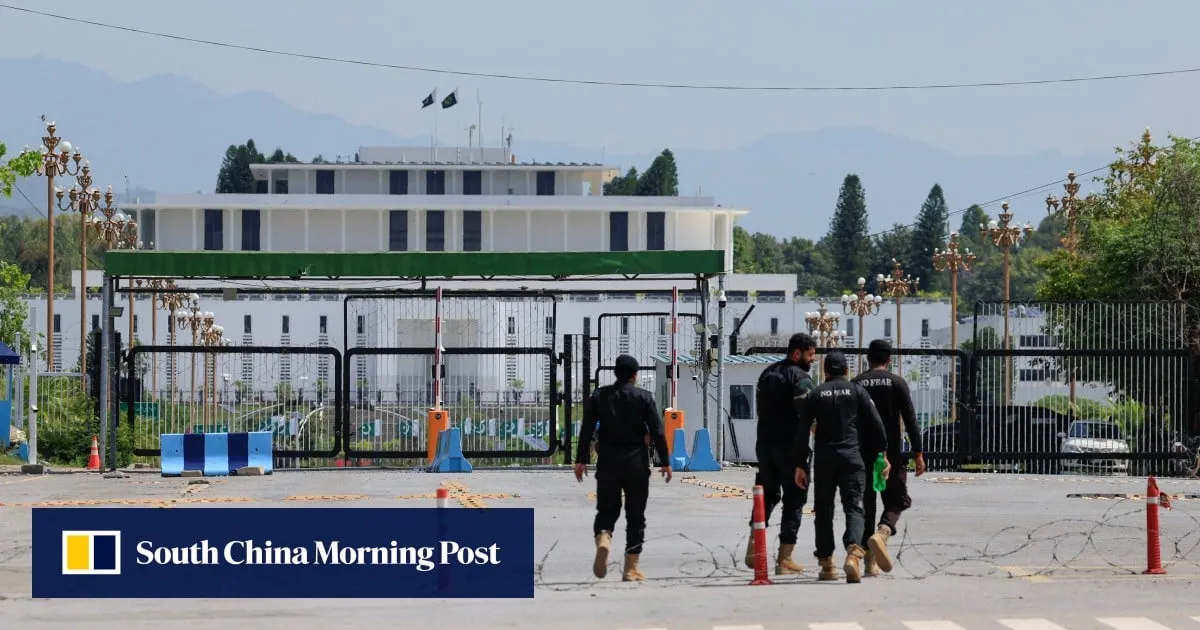
South China Morning PostFIG 01
Reading time
1min
Word count
222words
Sources cited
1cited
Entities identified
12entities
Quality score
100%
§ 01
Briefing Summary
AI-generatedNEWSAR · AI
The six Gulf Arab monarchies are apprehensive about ongoing US-Iran negotiations in Pakistan, fearing that any resulting peace agreement could compromise their security and economic diversification efforts. This concern stems from past attacks by Iranian drones and missiles, coupled with the recent failure of their UN Security Council bid to secure defensive measures for the Strait of Hormuz due to vetoes from China and Russia. Gulf states feel sidelined in the negotiations, relying on information from Washington and Islamabad. Officials and commentators in the UAE and Kuwait have voiced concerns about being excluded from the process, fearing the potential consequences for their long-term stability and economic goals.
Confidence 0.90Sources 1Claims 4Entities 12
§ 02
Article analysis
Model · rule-basedFraming
National Security
Political Strategy
Tone
Measured
AI-assessed
CalmNeutralAlarmist
Factuality
0.60 / 1.00
Mixed
LowHigh
Sources cited
1
Limited
FewMany
§ 03
Key claims
4 extracted01
China and Russia vetoed the Gulf Cooperation Council’s bid to attain UN Security Council approval for defensive measures in the Strait of Hormuz.
factual
Confidence
1.00
02
Officials and commentators in the UAE and Kuwait have been outspoken about being sidelined from US-Iran talks.
factual
Confidence
0.90
03
Gulf states are watching US-Iran negotiations with trepidation due to potential impacts on their security.
factual
Confidence
0.80
04
GCC states fear peace between the US and Iran could compromise their long-term security.
factual
Confidence
0.70
§ 04
Full report
1 min read · 222 words§ 05
Entities
12 identifiedKey playerOppositionContextPositiveNeutralNegative
Organizations1
§ 06
Keywords & salience
9 termsus-iran talks
1.00
gulf states
0.90
security
0.70
gulf cooperation council
0.70
peace
0.60
strait of hormuz
0.60
economic diversification
0.50
renewable energy
0.40
un security council
0.40
§ 07
Topic connections
Interactive graph Network visualization showing 51 related topics
View Full Graph Person Organization Location Event|Click node to navigate|Edge numbers = shared articles