Former US envoys who dealt with Iran have said that the US-Israeli attack on Iran and Tehran’s subsequent closure of the Strait of Hormuz have given Iran new tools and resolve to resist pressure to shutter its nuclear programme.Two senior negotiators for the Joint Comprehensive Plan of Action (JCPOA), the Obama-era agreement to limit Iran’s nuclear uranium enrichment in exchange for sanctions relief, said the Trump administration’s war had handed Iran a coveted weapon by demonstrating its ability to cut off the Strait of Hormuz, an economic chokehold that one negotiator said would help Iran “balance the asymmetry of power” with the US.“This administration, to say it more politely, cannot unsoil the bed,” said Alan Eyre, a former diplomat who helped negotiate the JCPOA. “There’s no way to get back to the status quo ante before this war started.”In 2018, Donald Trump withdrew the US from the JCPOA which barred Tehran from enriching its uranium to weapons-grade. Trump called the deal, which lifted some sanctions on Iran, “one of the worst and most one-sided transactions” the US had ever entered into.But after a strategy of high pressure – first through returning sanctions and then, after Trump’s return to power in 2025, a war that was meant to destroy Iran’s nuclear and ballistic missile capabilities – the current US administration has found itself in more complex negotiations than before its campaign of economic and military strikes.“The Strait of Hormuz is such a good strategic deterrent [and] to an extent it makes the nuclear programme less crucial,” said Eyre. “It would have taken a lot of time and a lot of risk for them to weaponise [a nuclear weapon] … But they’ve got a really cool threat now, which is incredibly easy to turn on and off.”Diplomatic sources have indicated that the Iranian delegation believes this is an unprecedented set of circumstances to negotiate on favourable terms, as the Trump administration appears keen to exit the conflict quickly.A US delegation led by JD Vance will meet Iranian negotiators in Islamabad, Pakistan this weekend. The vice-president has been a less vocal booster of the war than other members of the administration such as the secretary of defence, Pete Hegseth, and the secretary of state, Marco Rubio.But while the US could withdraw its air power from the conflict, it has not presented a clear plan for reopening the Strait of Hormuz – either through force or a negotiated settlement.Robert Malley, a Yale lecturer who was former special envoy to Iran under Joe Biden and a lead negotiator on the JCPOA, said: “The Strait of Hormuz wasn’t an issue before the US decided to strike. You have all the issues inherited from the past, but you just added a few, because the US has handed Iran a tool that it always had, but it never thought of using, or never felt it could.”The chances for a comprehensive agreement addressing all of the US and Iran’s grievances appear slim. While the Obama administration sought to negotiate exclusively on Iran’s nuclear programme in the lead-up to the 2015 agreement, the Trump administration has sought a broader deal limiting Iran’s ballistic missiles programme and its support for regional proxies, such as Hezbollah in Lebanon and the Houthis in Yemen.But a catch-all deal appears to be fraying at the edges. Israel’s continued strikes on Lebanon, a country which Iran believed was part of the deal but the US has said was not, have already threatened its full collapse, with Iran’s Islamic Revolutionary Guard Corps maintaining its blockade on shipping and top officials publicly questioning the ceasefire.As Malley noted, the Obama administration had chosen to seek a more limited deal with Iran because “for every element that the US and others will put on the table, Iran will put a reciprocal element on the table. This is not a one-way street.”“I think Trump has been driven by two objectives that were in clear tension,” said Malley. “One was he wanted to be able to declare outright victory, and the other a clear victory. And the other one is he wanted a quick exit.”“Even though he may claim victory … It’s being it’s being contradicted every day, or not every day, but every hour by what’s happening on the ground.”
SRCThe Guardian - World News
LANGEN
LEANCenter-Left
WORDS709
ENT12
FRI · 2026-04-10 · 10:51 GMTBRIEF NSR-2026-0410-61891
NSR-2026-0410-61891News Report·EN·Diplomatic
Middle East crisis has given Iran new way to resist nuclear limits, say former US-Iran envoys
Former US envoys involved in the JCPOA nuclear agreement say the recent US-Israeli attack on Iran and Iran's subsequent closure of the Strait of Hormuz have strengthened Iran's position in nuclear negotiations. These envoys argue that Iran's ability to close the strait, a vital economic waterway, provides them with a powerful deterrent, potentially lessening the perceived need for a nuclear weapon.
Andrew Roth in WashingtonThe Guardian - World NewsFiled 2026-04-10 · 10:51 GMTLean · Center-LeftRead · 3 min
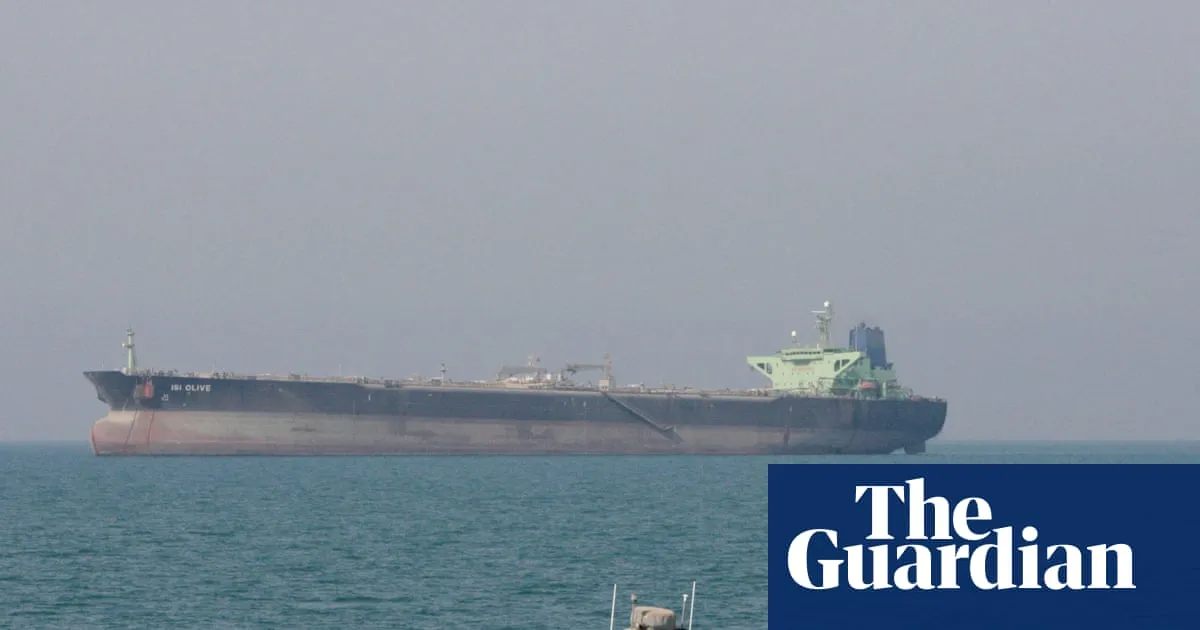
The Guardian - World NewsFIG 01
Reading time
3min
Word count
709words
Sources cited
4cited
Entities identified
12entities
Quality score
75%
§ 01
Briefing Summary
AI-generatedNEWSAR · AI
Former US envoys involved in the JCPOA nuclear agreement say the recent US-Israeli attack on Iran and Iran's subsequent closure of the Strait of Hormuz have strengthened Iran's position in nuclear negotiations. These envoys argue that Iran's ability to close the strait, a vital economic waterway, provides them with a powerful deterrent, potentially lessening the perceived need for a nuclear weapon. They believe this new leverage makes it more difficult for the US to pressure Iran to limit its nuclear program. A US delegation, led by JD Vance, is scheduled to meet with Iranian negotiators in Islamabad, Pakistan, to discuss the situation. The US seeks a resolution, but lacks a clear plan for reopening the Strait of Hormuz.
Confidence 0.90Sources 4Claims 5Entities 12
§ 02
Article analysis
Model · rule-basedFraming
Diplomatic
National Security
Tone
Measured
AI-assessed
CalmNeutralAlarmist
Factuality
0.70 / 1.00
Factual
LowHigh
Sources cited
4
Well sourced
FewMany
§ 03
Key claims
5 extracted01
A US delegation led by JD Vance will meet Iranian negotiators in Islamabad, Pakistan this weekend.
factualnull
Confidence
1.00
02
In 2018, Donald Trump withdrew the US from the JCPOA.
factualnull
Confidence
1.00
03
US-Israeli attack on Iran and Tehran’s closure of the strait of Hormuz have given Iran new tools to resist pressure on its nuclear programme.
quoteFormer US envoys
Confidence
0.90
04
The strait of Hormuz is a good strategic deterrent and to an extent it makes the nuclear programme less crucial.
quoteAlan Eyre
Confidence
0.80
05
The strait of Hormuz wasn’t an issue before the US decided to strike.
quoteRobert Malley
Confidence
0.70
§ 04
Full report
3 min read · 709 words§ 05
Entities
12 identifiedKey playerOppositionContextPositiveNeutralNegative
People5
Locations6