Failed US-Iran talks in Pakistan raise questions about fragile ceasefire
US-Iran ceasefire talks in Islamabad, Pakistan, concluded without an agreement on April 12, 2026, raising concerns about the future of the existing truce set to expire on April 22. Both sides blamed each other for the failure of the negotiations, which aimed to resolve the conflict following a 40-day war that began on February 28.
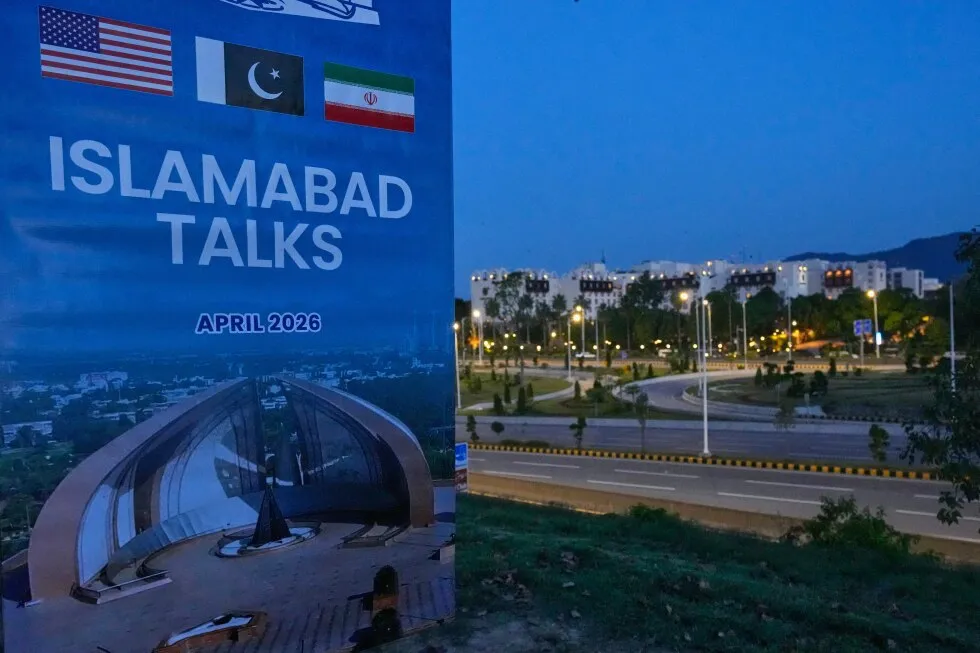
US-Iran ceasefire talks in Islamabad, Pakistan, concluded without an agreement on April 12, 2026, raising concerns about the future of the existing truce set to expire on April 22. Both sides blamed each other for the failure of the negotiations, which aimed to resolve the conflict following a 40-day war that began on February 28. The US, along with Israel, initiated the war with the goal of dismantling Iran's nuclear and missile programs and its support for regional proxy groups, presenting a 15-point plan that includes reopening the Strait of Hormuz. Iran countered with a 10-point plan demanding control over the Strait, an end to attacks on its proxies, and compensation for war damages. With no resolution reached, negotiators are returning to their respective capitals to reassess their positions, and the possibility of renewed conflict remains.
Iran's closure of the Strait of Hormuz sent oil prices spiking and global markets plunging.
Vice President JD Vance said that Iran had failed to give assurances that it will not seek to develop a nuclear weapon.
Iran has long denied seeking nuclear weapons but has insisted on a civilian nuclear program.
The U.S. and Israel launched the war on Feb. 28, pledging to eliminate Iran’s nuclear and missile programs.
Ceasefire talks between the U.S. and Iran ended without an agreement.
Connections
Who appears together in the newsStrongest ties articles in common
- 15,009
- 12,269
- 7,769
- 6,988
- 6,840
- 3,992
Recurring context not named in this article
- LTehranlinks 9
- LWashingtonlinks 9
- LChinalinks 9
- PBenjamin Netanyahulinks 9
- LLebanonlinks 9
- LMiddle Eastlinks 9
- LRussialinks 9
- LGaza Striplinks 9