EXPLAINERThe US struck several sites in Iran, saying it retaliated against the downing of a US helicopter in the Strait of HormuzA woman walks past a banner bearing the images of the late founder of the Islamic revolution Supreme Leader Ayatollah Ruhollah Khomeini, left, the late Iranian Supreme Leader Ali Khamenei and his son, the current Supreme Leader Mojtaba Khamenei, right, erected along a street at the Vanak Square in Tehran on June 10 [AFP]Published On 10 Jun 2026The United States and Iran engaged in some of the most intense fighting overnight since all-out hostilities in the ongoing Iran" class="entity-link entity-event" data-entity-id="143825" data-entity-type="event">US‑Israeli war on Iran were halted with a Pakistan‑mediated temporary ceasefire on April 8.A comprehensive peace agreement remains elusive as Iran and the US have exchanged a series of proposals and counterproposals in the weeks since that pause. After a string of smaller escalations, however, the US struck targets in Iran following the downing of a US Apache helicopter close to the Strait of Hormuz on Tuesday, and Iran retaliated by hitting US military bases in the Gulf.The US military said it targeted communications and radar facilities. Iranian officials, however, said civilian infrastructure was also damaged, including two water reservoirs.If correct, this is the first reported strike on civilian infrastructure in Iran in several weeks, but it comes at a time when Iran is facing a severe water shortage.Which targets have been hit in Iran?The US launched waves of attacks starting late on Tuesday following the downing of the helicopter in the Strait of Hormuz. The US described the attacks as “self-defence strikes” and a “proportional response to unjustified Iranian aggression”.While an official US inquiry into what caused the helicopter to crash has yet to conclude, US President Donald Trump quickly blamed Iran, which he said had deliberately shot it down.“I have just been informed by our Great Military that last night the Iranians shot down one of our highly sophisticated Apache Helicopters while patrolling over the Strait of Hormuz. There were two pilots involved, both are safe and uninjured,” Trump wrote on social media.“Nevertheless, the United States must, of necessity, respond to this attack.”Iran’s Islamic Revolutionary Guard Corps (IRGC) said US strikes, which hit targets including Sirik, Jask, Minab, Qeshm Island and the port of Bandar Abbas, had caused major damage to a telecommunications tower in the town of Sirik and destroyed two water reservoirs there.Iran’s West Asia News Agency (WANA) news outlet reported on Wednesday, citing “available reports”, that two concrete water storage reservoirs in the Bamani district in the Sirik County of Hormozgan Province, in southern Iran, 1,012km (629 miles) from the capital, Tehran, had been hit in the US attacks.The IRGC claimed attacks on US military bases in Bahrain, Kuwait and Jordan in retaliation.Has the US hit Iran’s water infrastructure before?Yes. On March 7, while missiles were flying across the region in an all-out war between Iran and the US-Israel, Iranian Foreign Minister Abbas Araghchi accused the US of striking a desalination plant on Qeshm Island off the coast of Iran in the Strait of Hormuz. The strike reportedly cut off the water supply to 30 villages.“Water supply in 30 villages has been impacted. Attacking Iran’s infrastructure is a dangerous move with grave consequences. The US set this precedent, not Iran,” Araghchi wrote in an X post.A desalination plant converts seawater into water suitable for drinking, irrigation and industrial use. These facilities are particularly critical in areas such as the Gulf, where freshwater is scarce.[Al Jazeera]Why is this significant?The reservoirs that were struck provide drinking water to more than 20,000 residents in the city of Kouhestak and 10 surrounding villages. WANA reported initial estimates for damages amounting to $780,000 to $830,000.Iran was already facing a multiyear drought and decline in precipitation before the US-Israeli war on Iran started. After years of poor agricultural practices and mismanagement, Iran’s main water supplies, including its reservoirs, rivers and groundwater reserves, continued to run dry.According to Aqueduct data from the World Resources Institute, which tracks global water risk, Iran’s baseline water stress is classified as “extremely high” – meaning the country uses more than 80 percent of its renewable water resources in a typical year.Last year marked Iran’s fifth consecutive year of drought. In November 2025, the water crisis was so dire that Tehran’s Amir Kabir Dam only held 8 percent of its capacity, while across the country, 19 major dams had run dry.[Al Jazeera]Is this a war crime?Isa Bozorgzadeh, spokesman for Iran’s water industry, claimed the US strike on the water reservoirs is a war crime, WANA reported.International humanitarian law classifies water infrastructure, including drinking water installations, treatment plants and pipelines, as civilian property which is not deemed a legitimate target during war.The Berlin Rules on Water Resources, drafted by the International Law Association (ILA) and adopted in 2004, are a set of non‑binding international legal principles about how countries should use, share and protect water.The Berlin Rules prohibit countries at war from destroying water installations “if such actions would cause disproportionate suffering to civilians”.
SRCAl Jazeera
LANGEN
LEANCenter
WORDS834
ENT12
WED · 2026-06-10 · 13:27 GMTBRIEF NSR-2026-0610-83299
NSR-2026-0610-83299News Report·EN·Conflict
US bombs Iran’s water facilities: Why that’s so significant
The United States conducted strikes in Iran, stating it was retaliation for Iran shooting down a US Apache helicopter in the Strait of Hormuz. While the US military reported targeting communications and radar facilities, Iranian officials stated that civilian infrastructure, including two water reservoirs, was also damaged.
Sarah ShamimAl JazeeraFiled 2026-06-10 · 13:27 GMTLean · CenterRead · 4 min
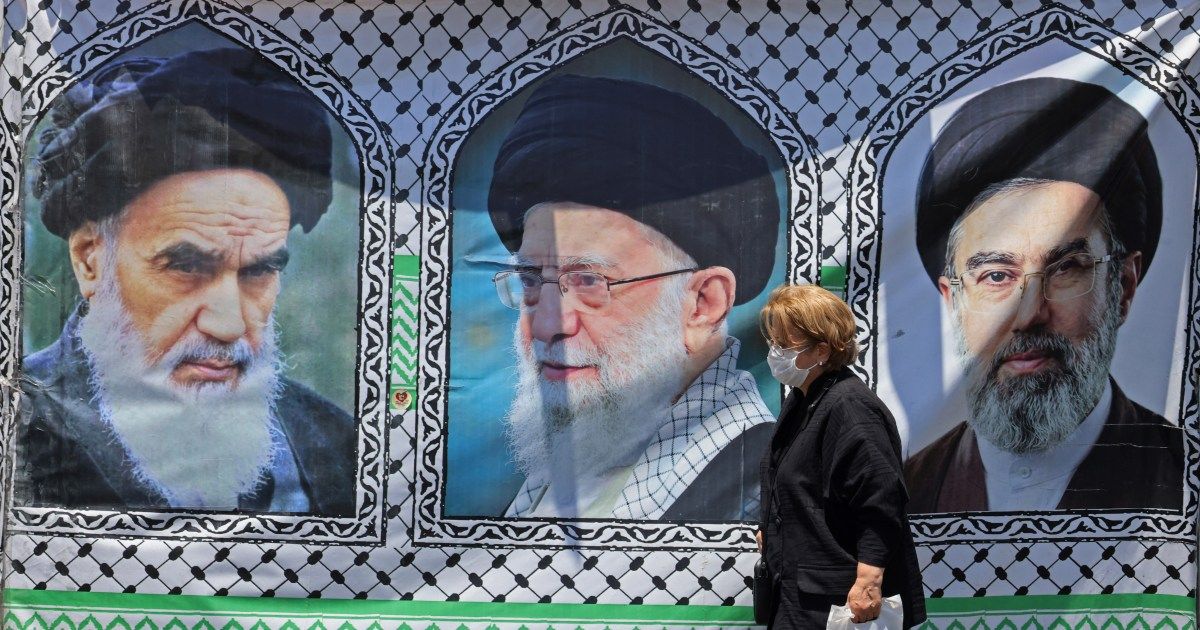
Al JazeeraFIG 01
Reading time
4min
Word count
834words
Sources cited
3cited
Entities identified
12entities
Quality score
100%
§ 01
Briefing Summary
AI-generatedNEWSAR · AI
The United States conducted strikes in Iran, stating it was retaliation for Iran shooting down a US Apache helicopter in the Strait of Hormuz. While the US military reported targeting communications and radar facilities, Iranian officials stated that civilian infrastructure, including two water reservoirs, was also damaged. These reservoirs reportedly supply drinking water to over 20,000 residents. This incident is significant as Iran is already experiencing a severe, multiyear drought and extremely high water stress. Iran's water industry spokesman claimed the strike on the reservoirs constitutes a war crime. This exchange follows a temporary ceasefire in the broader US-Israeli war on Iran.
Confidence 0.90Sources 3Claims 5Entities 12
§ 02
Article analysis
Model · rule-basedFraming
Conflict
National Security
Tone
Mixed Tone
AI-assessed
CalmNeutralAlarmist
Factuality
0.70 / 1.00
Factual
LowHigh
Sources cited
3
Well sourced
FewMany
§ 03
Key claims
5 extracted01
The US described the attacks as “self-defence strikes” and a “proportional response to unjustified Iranian aggression”.
quoteUS military
Confidence
1.00
02
The US struck several sites in Iran, saying it retaliated against the downing of a US helicopter in the Strait of Hormuz.
factualUS military
Confidence
0.90
03
Iran’s Islamic Revolutionary Guard Corps (IRGC) said US strikes caused major damage to a telecommunications tower and destroyed two water reservoirs in Sirik.
factualIRGC
Confidence
0.80
04
The IRGC claimed attacks on US military bases in Bahrain, Kuwait and Jordan in retaliation.
factualIRGC
Confidence
0.70
05
Iranian officials said civilian infrastructure was also damaged, including two water reservoirs.
factualIranian officials
Confidence
0.70
§ 04
Full report
4 min read · 834 words§ 05
Entities
12 identifiedKey playerOppositionContextPositiveNeutralNegative
People4
Organizations1
Locations5
§ 06
Keywords & salience
9 termsus-iran hostilities
1.00
strait of hormuz
0.90
water facilities
0.80
civilian infrastructure
0.70
us helicopter downing
0.70
retaliation strikes
0.60
temporary ceasefire
0.50
islamic revolutionary guard corps
0.40
us-israeli war
0.40
§ 07
Topic connections
Interactive graph Network visualization showing 51 related topics
View Full Graph Person Organization Location Event|Click node to navigate|Edge numbers = shared articles