Washington, DC – The United States Supreme Court has ruled against US President Donald Trump’s order to end birthright citizenship for all individuals born on US soil.The 6-3 ruling represents a major blow to Trump and his effort to transform immigration in the US. Upon taking office on January 20, 2025, Trump had signed an executive order seeking to bar those born in the US to parents on temporary legal statuses or without documentation from automatically receiving US citizenship.The nine-panel Supreme Court’s ruling upholds a lower court’s determination that Trump’s order ran counter to the US constitution, as well as a subsequent Supreme Court decision on the matter.Writing for the majority, Chief Justice John Roberts traced the US practice of birthright citizenship to English common law, through the ratification of the 14th Amendment in 1868 and the Supreme Court’s 1898 ruling in the United States v Wong Kim Ark.In his opinion, he said Trump administration lawyers and dissenting Supreme Court justices had offered insufficient evidence in its reinterpretation of longstanding law.“The trouble is that there is scant evidence for this dramatically revisionist view,” he wrote.“The Framers of the Fourteenth Amendment extended that promise to ‘every free-born person in this land,” he wrote. “We keep that promise today.”Trump did not immediately respond to the ruling, but earlier in the day he posted an article on his Truth Social arguing Congress could pass legislation changing birthright citizenship, although there is little evidence there would be anything close to the political will among lawmakers to do so.
SRCAl Jazeera
LANGEN
LEANCenter
WORDS254
ENT9
TUE · 2026-06-30 · 14:40 GMTBRIEF NSR-2026-0630-88697
NSR-2026-0630-88697News Report·EN·Legal & Judicial
US Supreme Court rules against Trump order to end birthright citizenship
The United States Supreme Court has ruled 6-3 against President Donald Trump's executive order to end birthright citizenship for individuals born on US soil. The ruling upholds a lower court's determination that Trump's order was unconstitutional, affirming that nearly all infants born in the US automatically become citizens.
Al JazeeraFiled 2026-06-30 · 14:40 GMTLean · CenterRead · 2 min
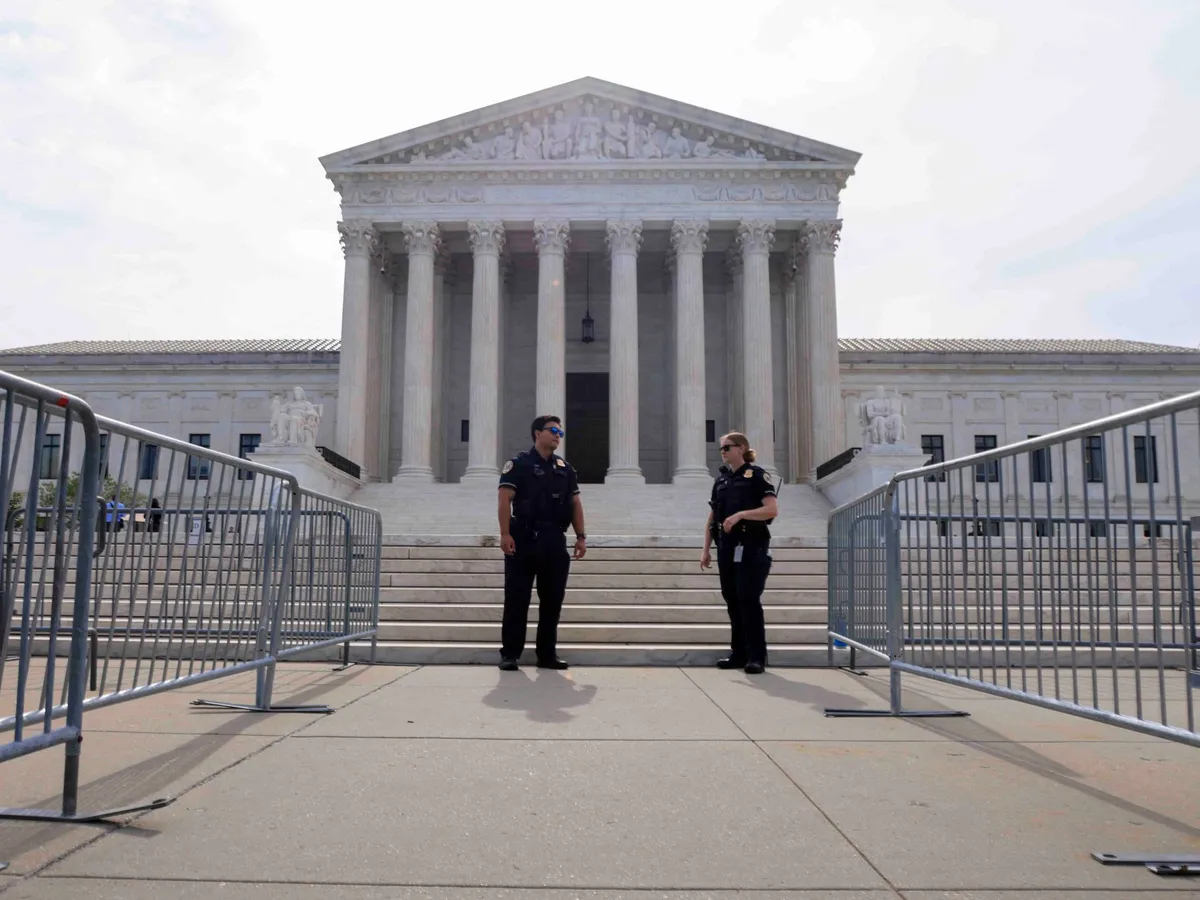
Al JazeeraFIG 01
Reading time
2min
Word count
254words
Sources cited
2cited
Entities identified
9entities
Quality score
100%
§ 01
Briefing Summary
AI-generatedNEWSAR · AI
The United States Supreme Court has ruled 6-3 against President Donald Trump's executive order to end birthright citizenship for individuals born on US soil. The ruling upholds a lower court's determination that Trump's order was unconstitutional, affirming that nearly all infants born in the US automatically become citizens. Chief Justice John Roberts, writing for the majority, traced the practice of birthright citizenship to English common law, the 14th Amendment, and a prior Supreme Court decision. The court found insufficient evidence to support the administration's reinterpretation of the law. Trump had sought to bar children born to parents with temporary legal status or without documentation from automatic citizenship.
Confidence 0.90Sources 2Claims 5Entities 9
§ 02
Article analysis
Model · rule-basedFraming
Legal & Judicial
Political Strategy
Tone
Measured
AI-assessed
CalmNeutralAlarmist
Factuality
0.80 / 1.00
Factual
LowHigh
Sources cited
2
Limited
FewMany
§ 03
Key claims
5 extracted01
Trump had previously posted that Congress could pass legislation changing birthright citizenship.
factualDonald Trump
Confidence
1.00
02
Roberts stated there is 'scant evidence' for a revisionist view of birthright citizenship law.
quoteChief Justice John Roberts
Confidence
1.00
03
Chief Justice John Roberts traced the US practice of birthright citizenship to English common law and the 14th Amendment.
quoteChief Justice John Roberts
Confidence
1.00
04
The ruling upholds a lower court's determination that Trump's order ran counter to the US constitution.
factual
Confidence
1.00
05
The US Supreme Court ruled against Trump's order to end birthright citizenship.
factual
Confidence
1.00
§ 04
Full report
2 min read · 254 words§ 05
Entities
9 identifiedKey playerOppositionContextPositiveNeutralNegative
Locations1
§ 06
Keywords & salience
8 termsbirthright citizenship
1.00
supreme court
0.90
donald trump
0.80
14th amendment
0.70
immigration
0.60
executive order
0.50
us constitution
0.50
common law
0.40
§ 07
Topic connections
Interactive graph Network visualization showing 51 related topics
View Full Graph Person Organization Location Event|Click node to navigate|Edge numbers = shared articles