
Treaty of Versailles
Event DiplomaticThe Treaty of Versailles was a peace treaty that ended WWI, notably not signed by China due to dissatisfaction with its terms.
Total Coverage:2 articles
Last 7 Days:0
Event Overview
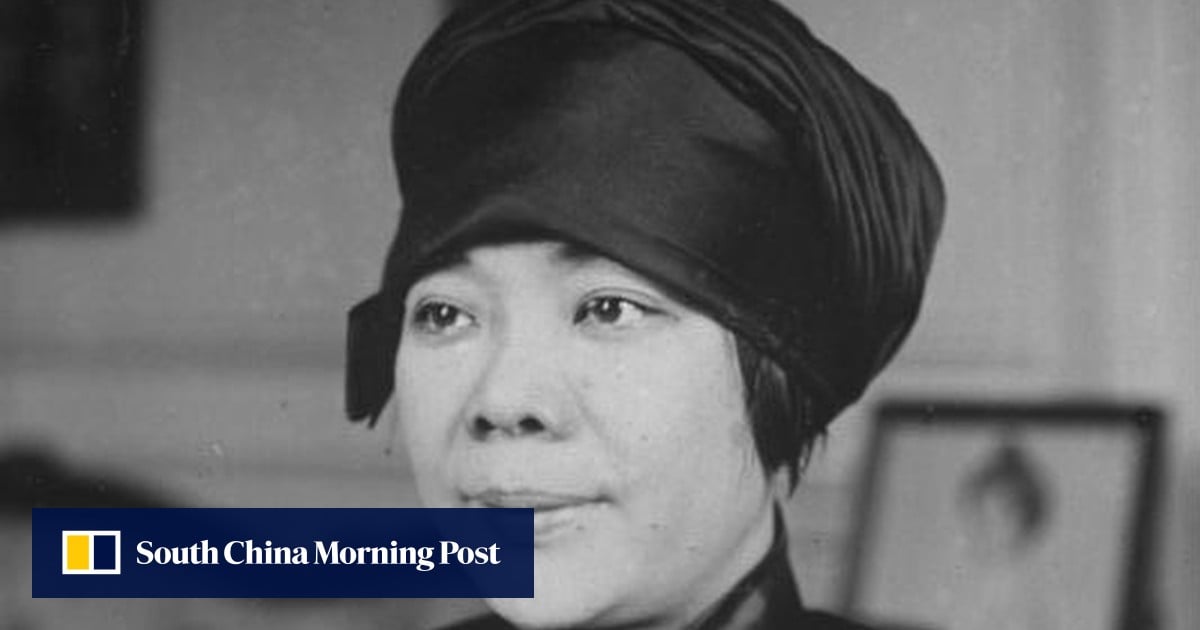
The Treaty of Versailles, signed in 1919, officially ended World War I. While 32 delegations attended the Paris Peace Conference, China was the sole nation that refused to sign the resulting treaty. This refusal stemmed from deep dissatisfaction with the treaty's terms, which did not adequately address China's grievances or recognize its contributions during the war. The Chinese delegation felt betrayed, as territories and concessions previously held by Germany in China were not returned to Chinese sovereignty but instead transferred to Japan. This decision by China highlights a significant point of contention and resentment following the war, demonstrating that the treaty, intended to establish peace, instead sowed seeds of future conflict and fueled nationalist sentiments in China. The treaty's legacy is thus complex, marked not only by its role in reshaping Europe but also by its impact on international relations and the rise of nationalist movements in Asia.
Last updated: September 21, 2026