T1
Trade Act of 1974
Organization DiplomaticThe Trade Act of 1974, particularly Section 301, is being used by the US to investigate trade practices.
Mentions:11
7 Days:0
About
The Trade Act of 1974, specifically Section 301, empowers the U.S. Trade Representative (USTR) to investigate and address unfair trade practices by foreign countries. Recent news highlights its renewed prominence as the Trump administration seeks to impose tariffs after the Supreme Court struck down previous tariff implementations based on emergency powers. The USTR has initiated investigations under Section 301 targeting alleged excess manufacturing capacity in countries like China and the EU, and trade imbalances with nations like Singapore. These actions aim to revive lost revenue from invalidated tariffs. However, these new tariffs are facing legal challenges from US states and opposition in Congress, with a bill introduced to shield small businesses. The administration is also exploring other sections of the Trade Act, like Section 122, to implement tariffs. This resurgence of the Trade Act of 1974 underscores its continued relevance as a tool for shaping US trade policy, despite legal and political hurdles.
Last updated: October 4, 2026
Recent Coverage
US states sue Trump administration over new tariffs on 60 trading partners
25 states sue over Trump’s new tariffs, calling them ‘pretext’ to replace his old ones
Trump is determined to pursue his trade war – and he may be difficult to stop
US small businesses sue Trump administration over new ‘forced labour’ tariffs
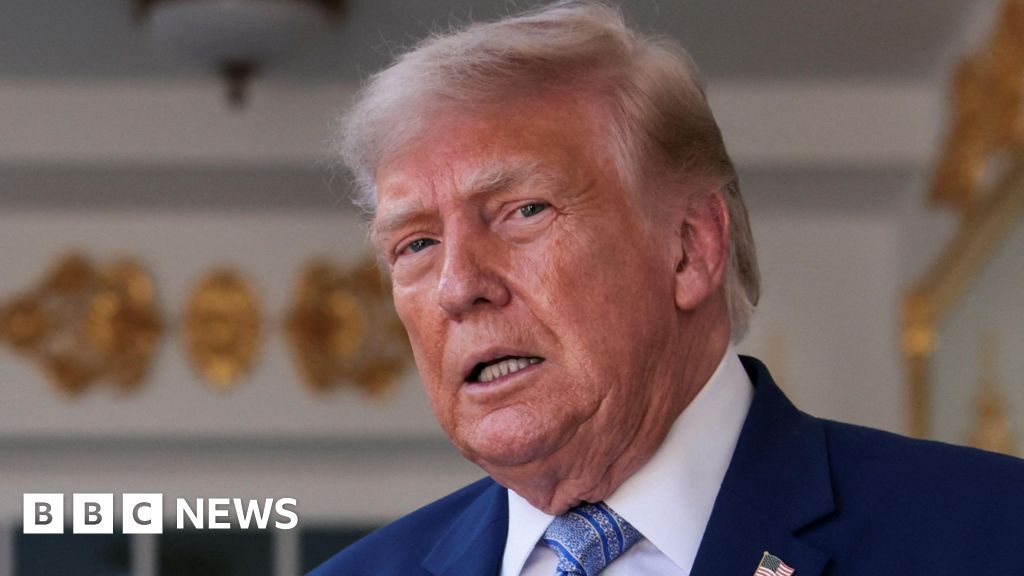
Trump vows to investigate EU over fining of US tech companies

‘Extremely disappointing’: US trade partners respond to Trump’s new tariffs

First Thing: Trump imposes fresh tariffs on UK, EU and dozens of other trading partners

Trump’s latest ‘forced labour tariffs’: Who’s been hit, how badly?
