M
misinformation
Topic PolicyMisinformation fuels social unrest, prompting government action to curb its spread during public crises.
Total Coverage:2 articles
Last 7 Days:0
Topic Overview
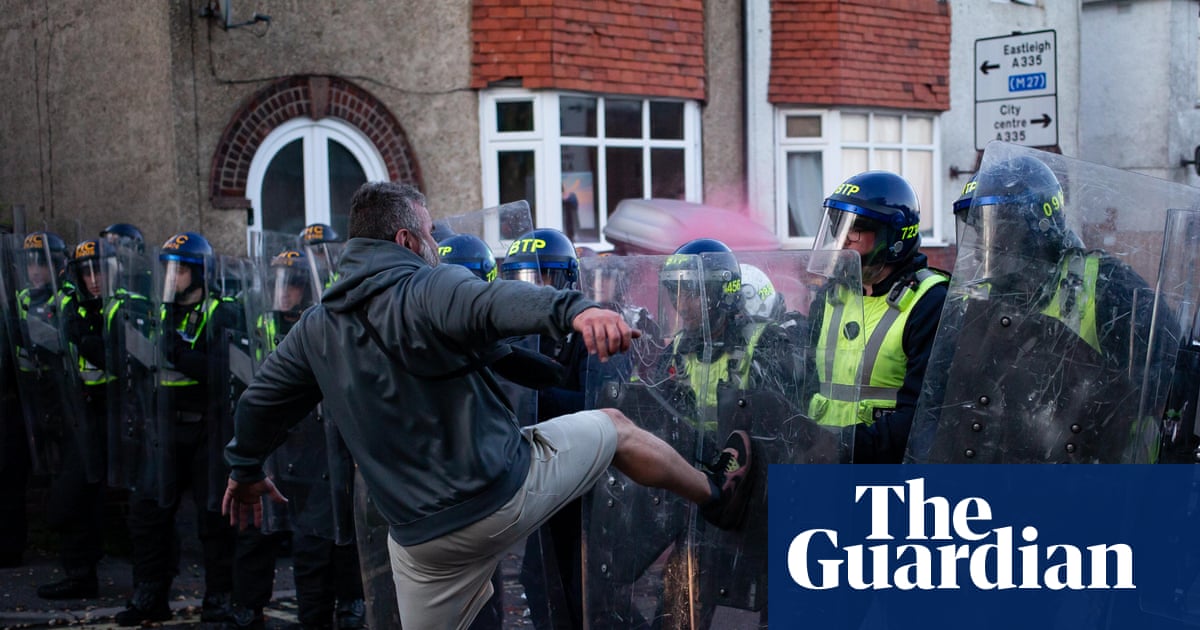
Misinformation has become a significant concern, particularly in the context of social unrest. Recent events in Northern Ireland and Southampton highlight how the rapid spread of unverified or false information, often amplified on social media platforms like X (formerly Twitter), can incite violence and public disorder. In Northern Ireland, far-right activists allegedly called for demonstrations following a knife attack, with a graphic video contributing to the unrest. Similarly, riots in Southampton were linked to public reaction to a fatal stabbing, with commentary from figures like Elon Musk on X reportedly exacerbating the situation. In response, ministers are considering new measures to combat the spread of misinformation during public crises, indicating a growing recognition of its destabilizing potential. The government's intention to address this issue underscores the current relevance and significance of misinformation as a threat to public safety and stability.
Last updated: July 1, 2026
Coverage Timeline

UK culture minister quits X over ‘abuse and misinformation’
UK plans to give established media more visibility on YouTube and TikTok

Over-reliance on chatbots can diminish critical-thinking skills, study finds
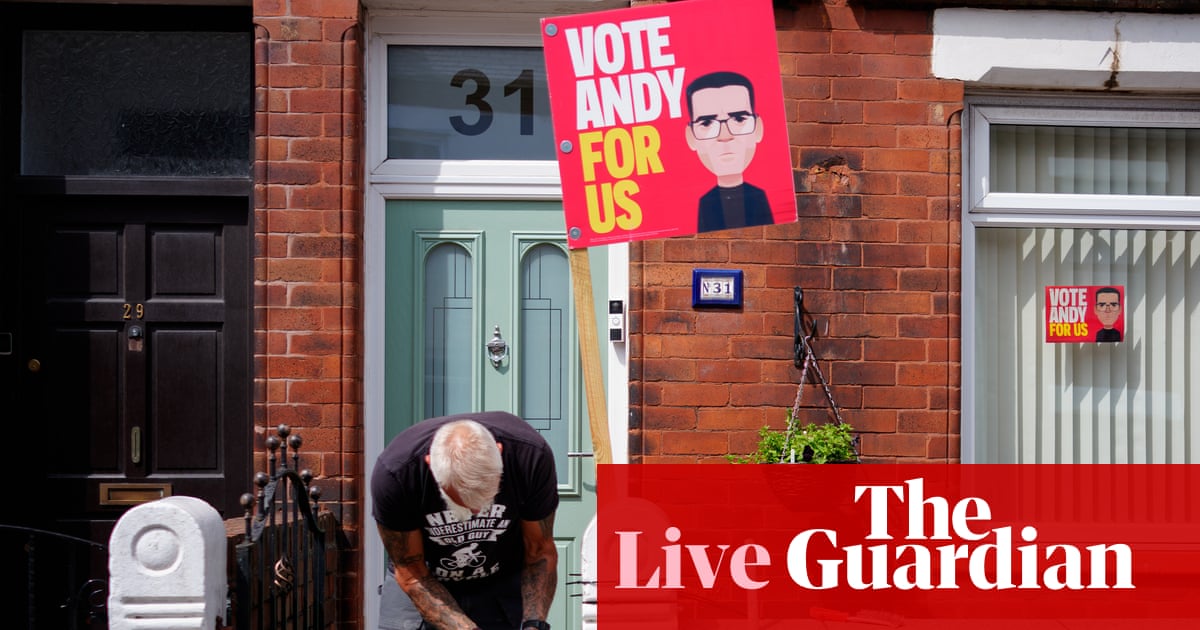
Anti-Burnham fake news on Makerfield Facebook accounts has surged, report finds – UK politics live

Number of arrests after riots in Northern Ireland rises to 19