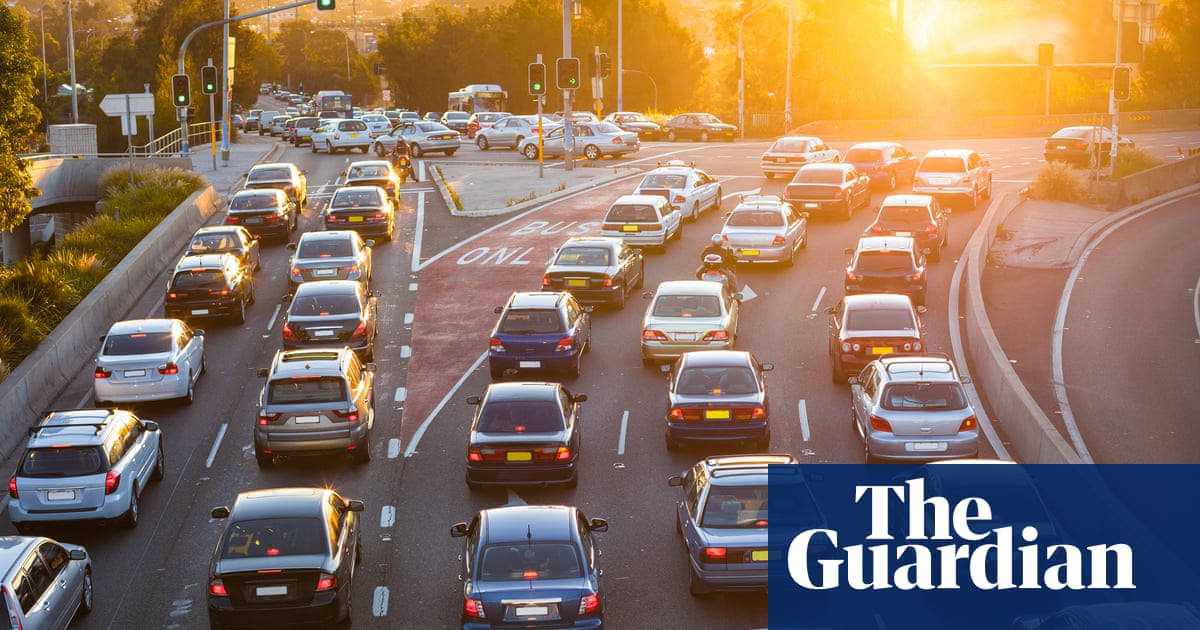
The world’s energy watchdog has advised governments to reduce highway speeds and encouraged workers to carpool or, ideally, work from home to combat soaring oil prices and impending fuel shortages caused by the Middle East conflict.It has also recommended countries consider limiting car access to designated zones in large cities, by giving vehicles with odd-numbered plates access on different weekdays to those with even-numbered plates.The International Energy Agency (IEA) has advised member countries, including Australia, the UK and the US, to take the emergency measures to curb oil demand, following the military strikes on Iran that have triggered the most significant supply disruptions in the history of the global oil market.It comes amid concerns that crude oil imports from Australia’s top Asian suppliers are at risk, as countries scramble to shore up their own reserves.Last week, the IEA ordered the largest release of government oil reserves in its history to help calm the oil price shock. It will also consider further release orders after warning that it will take time for markets to recover from the ongoing crisis in the Strait of Hormuz.The huge disruption to the oil trade has triggered sharp rises in the price of petrol, diesel, jet fuel and LPG.While the oil releases increased available supply, the new recommendations are concerned with reducing demand and helping households and businesses prepare for a drawn-out disruption to energy markets.The energy agency said: “Demand restraint is one of the emergency response measures that all IEA member countries are required to have ready as a contingency – and that they can use to contribute to an IEA collective action in the event of an emergency like this current disruption.”Most of the 10 measures focus on road transport fuels, given the large consumption by cars and trucks, although air travel and even cooking methods are also addressed.The recommended actions are: Work from home where possible to save petrol. Reduce highway speed limits by at least 10km/h to reduce fuel usage. Encourage public transport to reduce oil demand. Limit car access to roads in large cities through a number-plate rotation scheme. Increase car sharing. Encourage efficient driving for commercial vehicles through load optimisation and vehicle maintenance. Divert LPG use from transport to preserve it for essential needs like cooking. Avoid air travel where possible. Encourage electric cooking and other options to reduce reliance on LPG. Help industrial facilities switch between different petrochemical feedstocks to free up LPG. The measures have been issued at a time of growing concern that the US does not have a clean exit strategy from the conflict that can guarantee a stable resumption of the oil trade, and other freight, through the Strait of Hormuz, which is largely controlled by Iran.Concerns intensified this week after energy infrastructure was targeted, raising the risks of a long-term cut to supplies.Australia’s initial response to the oil crisis has focused on supply side measures, which has included relaxing fuel standards and trying to ensure alleged anti-competitive behaviours by major fuel retailers don’t take hold.State governments have been reluctant to discuss contingency plans such as fuel rationing.The IEA executive director, Fatih Birol, said that in the absence of a swift resolution to the Iran conflict, “the impacts on energy markets and economies are set to become more and more severe”.Birol said the recommended measures provided a “menu of immediate and concrete measures that can be taken on the demand side by governments, businesses and households to shelter consumers from the impacts of this crisis”.The energy agency noted that governments around the world were adopting measures to reduce oil demand and support households, with Austria and Greece capping profit margins at fuel retailers. In the UK, vulnerable households will get help to pay for heating oil.Several countries have restricted travel for public officials and started campaigns to encourage people and businesses to reduce their energy consumption.
SRCThe Guardian - World News
LANGEN
LEANCenter-Left
WORDS641
ENT7
FRI · 2026-03-20 · 06:20 GMTBRIEF NSR-2026-0320-26260
NSR-2026-0320-26260News Report·EN·Economic Impact
Work from home and slow down on the road: world’s energy watchdog advises emergency measures as oil prices rise
The International Energy Agency (IEA) is advising member countries, including Australia, the UK, and the US, to implement emergency measures to curb oil demand due to supply disruptions caused by Middle East conflict. These measures aim to combat soaring oil prices and potential fuel shortages.
Jonathan Barrett Business editorThe Guardian - World NewsFiled 2026-03-20 · 06:20 GMTLean · Center-LeftRead · 3 min
The Guardian - World NewsFIG 01
Reading time
3min
Word count
641words
Sources cited
1cited
Entities identified
7entities
Quality score
100%
§ 01
Briefing Summary
AI-generatedNEWSAR · AI
The International Energy Agency (IEA) is advising member countries, including Australia, the UK, and the US, to implement emergency measures to curb oil demand due to supply disruptions caused by Middle East conflict. These measures aim to combat soaring oil prices and potential fuel shortages. The IEA recommends reducing highway speed limits, encouraging work from home and public transport, limiting car access in cities via number plate restrictions, and promoting carpooling. These actions are designed to reduce reliance on road transport fuels, which constitute a large portion of oil consumption. The IEA has already released oil reserves and is considering further releases, but emphasizes demand restraint as a crucial emergency response.
Confidence 0.90Sources 1Claims 5Entities 7
§ 02
Article analysis
Model · rule-basedFraming
Economic Impact
Political Strategy
Tone
Mixed Tone
AI-assessed
CalmNeutralAlarmist
Factuality
0.80 / 1.00
Factual
LowHigh
Sources cited
1
Limited
FewMany
§ 03
Key claims
5 extracted01
Demand restraint is one of the emergency response measures that all IEA member countries are required to have ready.
quoteThe energy agency
Confidence
1.00
02
The IEA ordered the largest release of government oil reserves in its history.
factualIEA
Confidence
1.00
03
The IEA advises reducing highway speeds and encouraging work from home to combat soaring oil prices.
factualthe world’s energy watchdog
Confidence
1.00
04
Military strikes on Iran have triggered significant supply disruptions in the global oil market.
factual
Confidence
0.90
05
Concerns intensified after energy infrastructure was targeted, raising the risks of a long-term cut to supplies.
factual
Confidence
0.80
§ 04
Full report
3 min read · 641 words§ 05
Entities
7 identified§ 06
Keywords & salience
10 termsoil prices
0.90
work from home
0.80
international energy agency
0.70
fuel shortages
0.70
energy demand
0.70
oil reserves
0.60
emergency measures
0.60
supply disruptions
0.50
road transport fuels
0.50
car sharing
0.40
§ 07
Topic connections
Interactive graph Network visualization showing 39 related topics
View Full Graph Person Organization Location Event|Click node to navigate|Edge numbers = shared articles