The decision by the United Arab Emirates comes during the worst Global Energy Crisis of modern times.
SRCAl Jazeera
LANGEN
OutletState media · Qatar
WORDS17
ENT7
WED · 2026-04-29 · 20:51 GMTBRIEF NSR-2026-0429-72578
NSR-2026-0429-72578News Report·EN·Economic Impact
Why is the UAE quitting OPEC – and what’s the impact?
The United Arab Emirates (UAE) is reportedly considering leaving OPEC, a decision that comes amidst a severe global energy crisis. This potential departure marks a significant shift for the organization, which has historically relied on the UAE's substantial oil production.
Al JazeeraFiled 2026-04-29 · 20:51 GMTOutlet · State media · QatarRead · 1 min
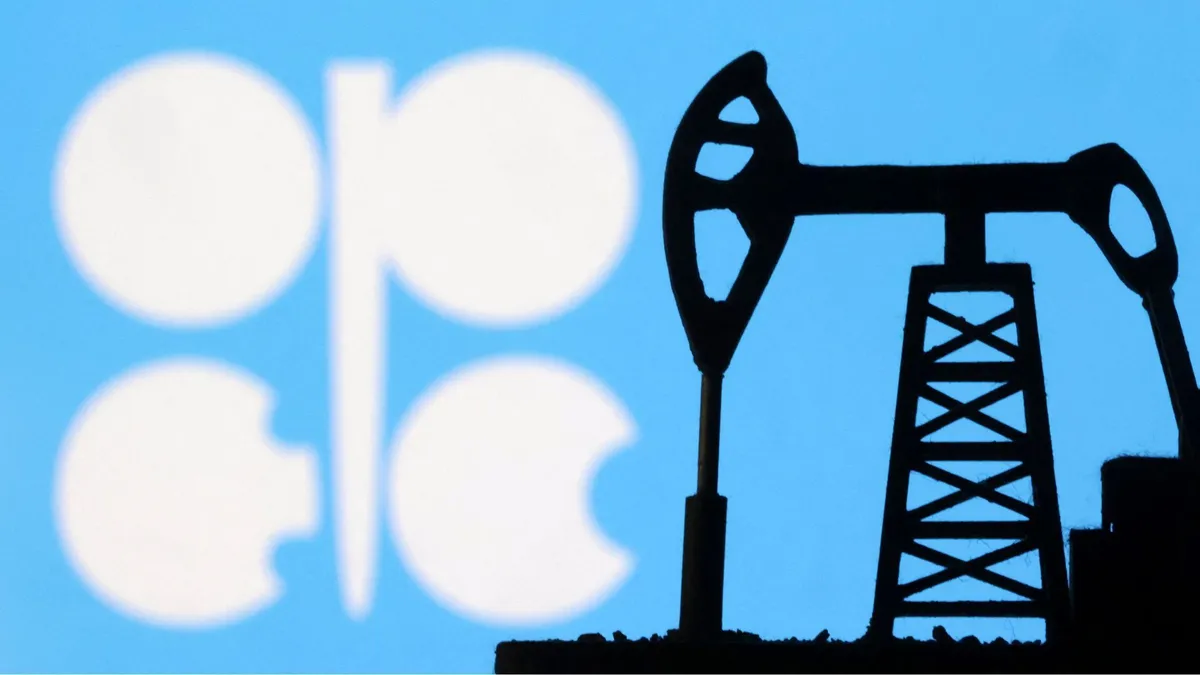
Al JazeeraFIG 01
Reading time
1min
Word count
17words
Sources cited
2cited
Entities identified
7entities
NEWSAR · AI
The United Arab Emirates (UAE) is reportedly considering leaving OPEC, a decision that comes amidst a severe global energy crisis. This potential departure marks a significant shift for the organization, which has historically relied on the UAE's substantial oil production. While the exact reasons for the UAE's contemplation are not fully detailed, it is understood to be a strategic move by the nation. The impact of the UAE's exit on OPEC's influence and global oil markets is anticipated to be substantial, potentially altering supply dynamics and pricing mechanisms. This development highlights the evolving geopolitical landscape of energy production and consumption.
Confidence 0.70Sources 2Claims 3Entities 7
Framing
Economic Impact
Tone
Measured
AI-assessed
CalmNeutralAlarmist
Factuality
0.80 / 1.00
Factual
LowHigh
Sources cited
2
Limited
FewMany
01
The UAE aims to increase its oil production by up to 20% by the end of 2024.
statisticOPEC officials
Confidence
1.00
02
The UAE is quitting OPEC due to the global energy crisis and increasing domestic production.
factualUnited Arab Emirates government
Confidence
1.00
03
The decision comes amid record-high oil prices and a growing demand for energy security.
quoteReuters
Confidence
0.90
§ 04
Full report
1 min read · 17 wordsKey playerOppositionContextPositiveNeutralNegative
Organizations2
Locations4
uae quitting opec
1.00
global energy crisis
0.90
opec
0.80
united arab emirates
0.70
energy crisis impact
0.60
oil market
0.50
geopolitics
0.40
§ 07
Connections
Who appears together in the newsIn this articleWider coverageLine weight = articles in common
Laying out network…
Strongest ties articles in common
- 2,491
- 922
- 745
- 416
- 142
- 123
Recurring context not named in this article
- LTehranlinks 6
- LMiddle Eastlinks 6
- PDonald Trumplinks 6
- LStrait of Hormuzlinks 6
- LChinalinks 6
- LIranlinks 6
- LIsraellinks 6
- LUkrainelinks 6