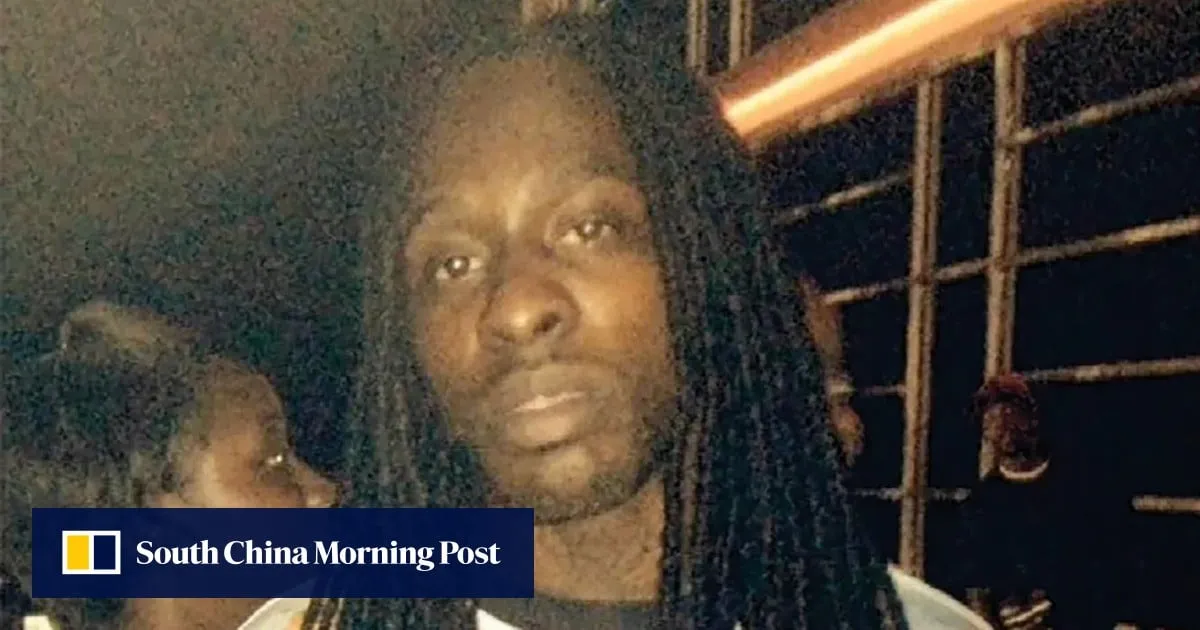
The US Supreme Court refused on Tuesday to let a Rastafarian man sue state prison officials in Louisiana after guards held him down and shaved him bald in violation of his religious beliefs in a case brought under a federal law protecting incarcerated people from religious discrimination.The Supreme Court, in a 6-3 ruling powered by its conservative majority, upheld a lower court’s decision to dismiss Damon Landor’s lawsuit, agreeing that he could not sue the individual prison officials and guards for monetary damages under the statute at issue.Landor’s religion requires him to let his hair grow.
SRCSouth China Morning Post
LANGEN
LEANCenter-Right
WORDS96
ENT5
TUE · 2026-06-23 · 20:11 GMTBRIEF NSR-2026-0623-86838
NSR-2026-0623-86838News Report·EN·Legal & Judicial
Rastafarian man can’t sue prison guards who shaved him bald, US Supreme Court says
The US Supreme Court declined to allow a Rastafarian man, Damon Landor, to sue Louisiana state prison officials. The lawsuit stemmed from an incident where guards allegedly held Landor down and shaved his head bald, which violated his religious beliefs requiring him to grow his hair.
ReutersSouth China Morning PostFiled 2026-06-23 · 20:11 GMTLean · Center-RightRead · 1 min
South China Morning PostFIG 01
Reading time
1min
Word count
96words
Sources cited
0cited
Entities identified
5entities
Quality score
100%
§ 01
Briefing Summary
AI-generatedNEWSAR · AI
The US Supreme Court declined to allow a Rastafarian man, Damon Landor, to sue Louisiana state prison officials. The lawsuit stemmed from an incident where guards allegedly held Landor down and shaved his head bald, which violated his religious beliefs requiring him to grow his hair. In a 6-3 decision, the Supreme Court upheld a lower court's dismissal of Landor's suit. The Court agreed that individual prison officials and guards could not be sued for monetary damages under the specific federal law protecting incarcerated individuals from religious discrimination.
Confidence 0.85Claims 5Entities 5
§ 02
Article analysis
Model · rule-basedFraming
Legal & Judicial
Human Rights
Tone
Measured
AI-assessed
CalmNeutralAlarmist
Factuality
0.90 / 1.00
Factual
LowHigh
Sources cited
0
No named sources
FewMany
§ 03
Key claims
5 extracted01
Damon Landor's religion requires him to let his hair grow.
factualarticle
Confidence
1.00
02
The lawsuit was brought under a federal law protecting incarcerated people from religious discrimination.
factualarticle
Confidence
1.00
03
The Supreme Court's ruling was 6-3, with the conservative majority powering the decision.
factualarticle
Confidence
1.00
04
The US Supreme Court refused to let a Rastafarian man sue prison guards who shaved him bald.
factualUS Supreme Court
Confidence
1.00
05
The guards' actions allegedly violated the man's religious beliefs.
factualDamon Landor
Confidence
0.90
§ 04
Full report
1 min read · 96 words§ 05
Entities
5 identifiedKey playerOppositionContextPositiveNeutralNegative
Organizations1
§ 06
Keywords & salience
10 termsrastafarian man
1.00
us supreme court
1.00
religious beliefs
0.90
religious discrimination
0.90
prison guards
0.80
monetary damages
0.70
federal law
0.60
louisiana
0.50
lawsuit
0.50
shaved bald
0.40
§ 07
Topic connections
Interactive graph Network visualization showing 48 related topics
View Full Graph Person Organization Location Event|Click node to navigate|Edge numbers = shared articles