The high court has upheld a ruling that prisoners cannot sue prison staff for money damages under religious liberties law.The United States Supreme Court has determined that a Rastafarian man cannot sue prison officials who cut his dreadlocks for violating his religious beliefs.On Tuesday, the court’s conservative majority ruled that Damon Landor, a formerly incarcerated man, cannot file a lawsuit against prison staff for violations of the Religious Land Use and Institutionalized Persons Act (RLUIPA), a law meant to uphold religious liberties for those behind bars.Recommended Stories list of 3 itemslist 1 of 3US Supreme Court sides with Trump administration on green card holder caselist 2 of 3US Supreme Court OKs ExxonMobil lawsuit over Castro-era property seizurelist 3 of 3US Supreme Court eases restrictions on drug users owning firearmsend of listWriting for the majority, Justice Neil Gorsuch did not argue that Landor’s religious rights had not been violated.Instead, he wrote that it was improper to sue the prison officials, as they had not consented to be liable under the RLUIPA law.“Mr. Landor’s case cannot proceed against them any more than a breach of contract action might proceed against a defendant who never formed a contract,” Gorsuch wrote.The ruling upheld a lower court’s decision which found that incarcerated people cannot seek financial damages from individual employees, even in cases where their rights were violated.Landor, however, released a statement through his lawyers indicating he would continue his pursuit of justice.“I am disappointed but not defeated,” Landor said in a statement from his lawyers. “What happened to me violated my faith and my dignity. I will continue pursuing accountability. What happened to me should not happen to anyone else.”Landor served a five-month prison term in Louisiana in 2020. He is Rastafarian, a religion that requires him to grow his hair as a sign of his faith.As he entered the prison system, he carried a copy of a 2017 appeals court ruling that found that cutting a religious prisoner’s dreadlocks violated federal law.
SRCAl Jazeera
LANGEN
LEANCenter
WORDS329
ENT6
TUE · 2026-06-23 · 23:01 GMTBRIEF NSR-2026-0624-86866
NSR-2026-0624-86866News Report·EN·Legal & Judicial
US Supreme Court says Rastafarian man shaved by prison guards can’t sue
The US Supreme Court has ruled that prisoners cannot sue prison staff for monetary damages under religious liberties law. The decision, written by Justice Neil Gorsuch, upheld a lower court's ruling in the case of Damon Landor, a Rastafarian man whose dreadlocks were cut while incarcerated.
Al Jazeera StaffAl JazeeraFiled 2026-06-23 · 23:01 GMTLean · CenterRead · 2 min
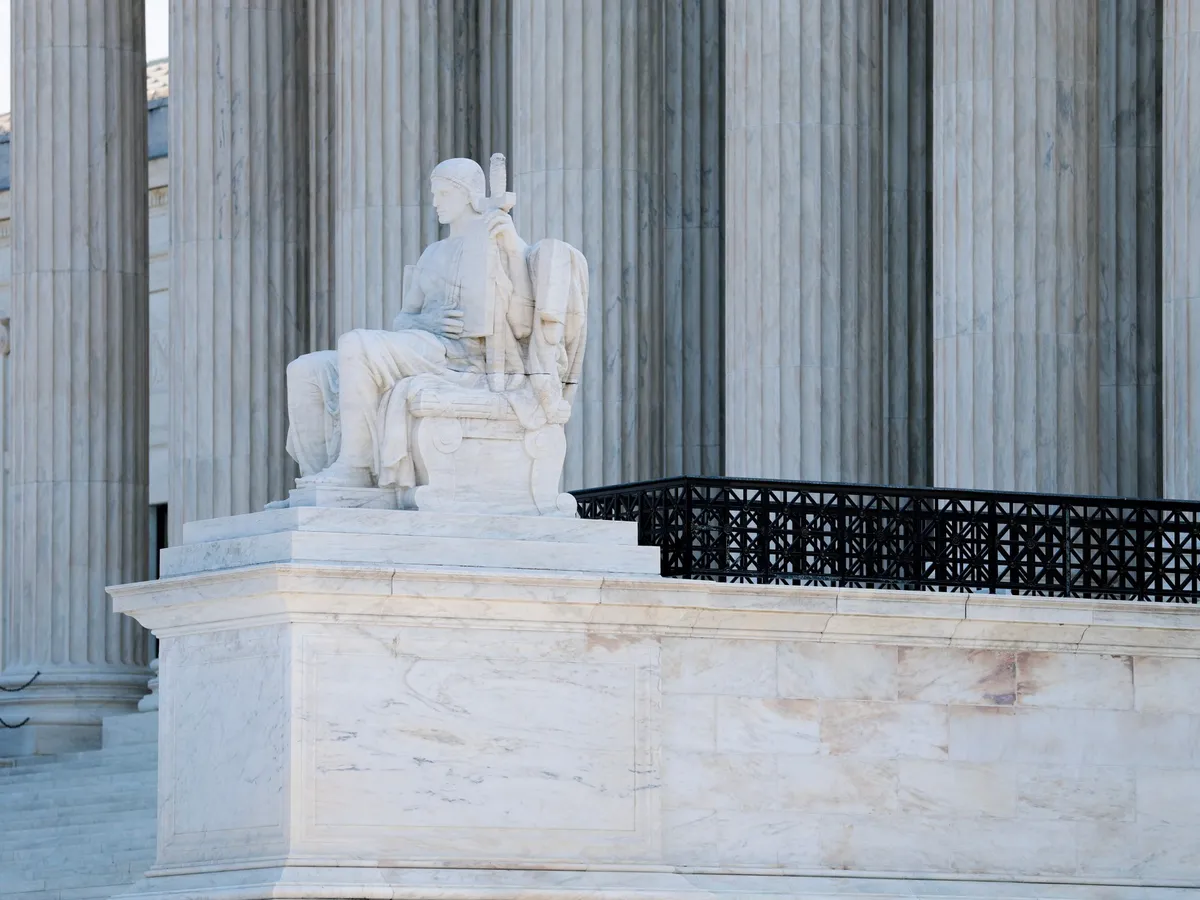
Al JazeeraFIG 01
Reading time
2min
Word count
329words
Sources cited
2cited
Entities identified
6entities
Quality score
100%
§ 01
Briefing Summary
AI-generatedNEWSAR · AI
The US Supreme Court has ruled that prisoners cannot sue prison staff for monetary damages under religious liberties law. The decision, written by Justice Neil Gorsuch, upheld a lower court's ruling in the case of Damon Landor, a Rastafarian man whose dreadlocks were cut while incarcerated. The court determined that prison officials had not consented to be liable under the Religious Land Use and Institutionalized Persons Act (RLUIPA), thus preventing Landor from suing for financial compensation. Landor stated he would continue to pursue accountability for the violation of his religious beliefs and dignity. The ruling means incarcerated individuals cannot seek financial damages from individual employees, even if their rights are violated.
Confidence 0.90Sources 2Claims 5Entities 6
§ 02
Article analysis
Model · rule-basedFraming
Legal & Judicial
Human Rights
Tone
Measured
AI-assessed
CalmNeutralAlarmist
Factuality
0.80 / 1.00
Factual
LowHigh
Sources cited
2
Limited
FewMany
§ 03
Key claims
5 extracted01
Landor served a five-month prison term in Louisiana in 2020 and is Rastafarian, a religion requiring him to grow his hair.
factual
Confidence
1.00
02
Damon Landor stated he is disappointed but not defeated and will continue pursuing accountability for the violation of his faith and dignity.
quoteDamon Landor
Confidence
1.00
03
Justice Neil Gorsuch wrote that it was improper to sue prison officials as they had not consented to be liable under RLUIPA.
quoteNeil Gorsuch
Confidence
1.00
04
The Supreme Court ruled Damon Landor cannot sue prison officials for violating his religious beliefs by cutting his dreadlocks.
factual
Confidence
1.00
05
The US Supreme Court upheld a ruling that prisoners cannot sue prison staff for money damages under religious liberties law.
factual
Confidence
1.00
§ 04
Full report
2 min read · 329 words§ 05
Entities
6 identifiedKey playerOppositionContextPositiveNeutralNegative
Organizations1
Locations1
§ 06
Keywords & salience
10 termsreligious liberties
1.00
rluipa
0.90
supreme court
0.80
rastafarian man
0.70
prison staff
0.70
religious beliefs
0.60
lawsuit
0.60
money damages
0.50
dreadlocks
0.50
institutionalized persons
0.40
§ 07
Topic connections
Interactive graph No topic relationship data available yet. This graph will appear once topic relationships have been computed.