Donald Trump said on Saturday night that the US would hold off on any new strikes on Iran provided a deal to end the months-long conflict is quickly reached – marking the president’s latest climbdown from extravagant threats to hit the Tehran regime hard.The Saudi crown prince Mohammed bin Salman called Trump on Saturday to express concerns about his strike plans, it was reported. Trump’s reversal also came after Iran threatened to retaliate decisively against its neighbours in the event of US strikes, while Kuwait reported being hit by Iranian drones on Saturday and two ships were attacked off Oman in the Strait of Hormuz.One source described as having knowledge of the Trump-Mohammed call told Axios that the Saudi crown prince had “urged Trump to de-escalate and refrain from launching the strikes”.The Associated Press also reported the conversation, citing its own source. It said the Saudis were concerned that if the US targets Iran’s energy infrastructure or carries out massive strikes on other key infrastructure, Tehran could respond by carrying out similar attacks on the kingdom and other Gulf countries.The crown prince during Saturday’s call sought clarity from Trump on what potential new action he was weighing to take against Iran, the Associated Press reported.A White House official, who was not authorised to comment publicly and requested anonymity, confirmed to the Associated Press that Trump and Prince Mohammed spoke on Saturday but did not offer any detail about the substance of their conversation.Saudi Arabia earlier this week joined the US in striking logistics and weapons sites used by Iranian-backed militias in Iraq, but has been urging the US and Iran to get back to the negotiating table.CBS News reported that the US and Israel were planning joint strikes, possibly throughout the weekend, with oil refineries and power plants among possible targets.Iran warned this weekend against any “adventurous action” by the US and said it would retaliate decisively. Tehran foreign minister Abbas Araqchi’s comments in separate phone calls on Saturday with senior Turkish, Pakistani and Saudi officials came just hours after Kuwait’s army said it destroyed hostile drones launched by Iran against several vital facilities.A government facility in northern Kuwait and civilian property belonging to a company on Bubiyan Island were hit, with falling shrapnel causing material damage but no casualties, the Kuwaiti army said.The United Kingdom Maritime Trade Operations said on Saturday it had received reports of two maritime incidents off Oman, including one in which a tanker was struck by an unknown projectile that damaged the engine room. In the other incident, the master of a tanker reported seeing a large splash and an explosion close to the vessel, though no damage was reported.Iran’s Araqchi told regional counterparts that any attacks by the US and Israel or participation by regional countries in such actions would be met with a “proportionate response”. Nournews, a media outlet affiliated with Iran’s top security body, said on Saturday that US attacks on Iranian energy infrastructure would prompt Iranian strikes on oilfields in Saudi Arabia and the United Arab Emirates, as well as the gasfields of Qatar and Israel.The developments appeared to have given Trump pause for thought, as he posted on Saturday night in characteristically grandiose language that “the USA is locked and loaded” to strike Iran with “military terror, strength, and power not seen since World War II”.“Despite this, we have just been asked by Iran, and other Middle Eastern countries, to hold off any attack,” he continued, adding that he would delay strikes “subject to being able to rapidly make a deal”. It would have to include “immediate, complete and total opening of the Hormuz strait, and an end to Iran’s nuclear threat”.Trump claimed that “the country of Israel joins me in this commitment”. However the government of Benjamin Netanyahu has previously disowned supposed agreements that were announced by the US president, such as the failed “memorandum of understanding”, and has been at odds with the Trump administration over how to proceed against Iran as well as its proxy Hezbollah operating from Lebanon.With Reuters, Agence France-Presse and Associated Press
SRCThe Guardian - World News
LANGEN
LEANCenter-Left
WORDS678
ENT12
SUN · 2026-08-02 · 04:45 GMTBRIEF NSR-2026-0802-98294
NSR-2026-0802-98294News Report·EN·Conflict
Trump climbs down on Iran strikes after Saudi alarm and threats from Tehran
President Trump announced the US would delay new strikes on Iran, provided a deal to end the conflict is quickly reached. This decision followed intervention by Saudi Crown Prince Mohammed bin Salman, who reportedly urged de-escalation due to concerns about Iranian retaliation against Saudi Arabia and other Gulf countries.
Guardian staff and agenciesThe Guardian - World NewsFiled 2026-08-02 · 04:45 GMTLean · Center-LeftRead · 3 min
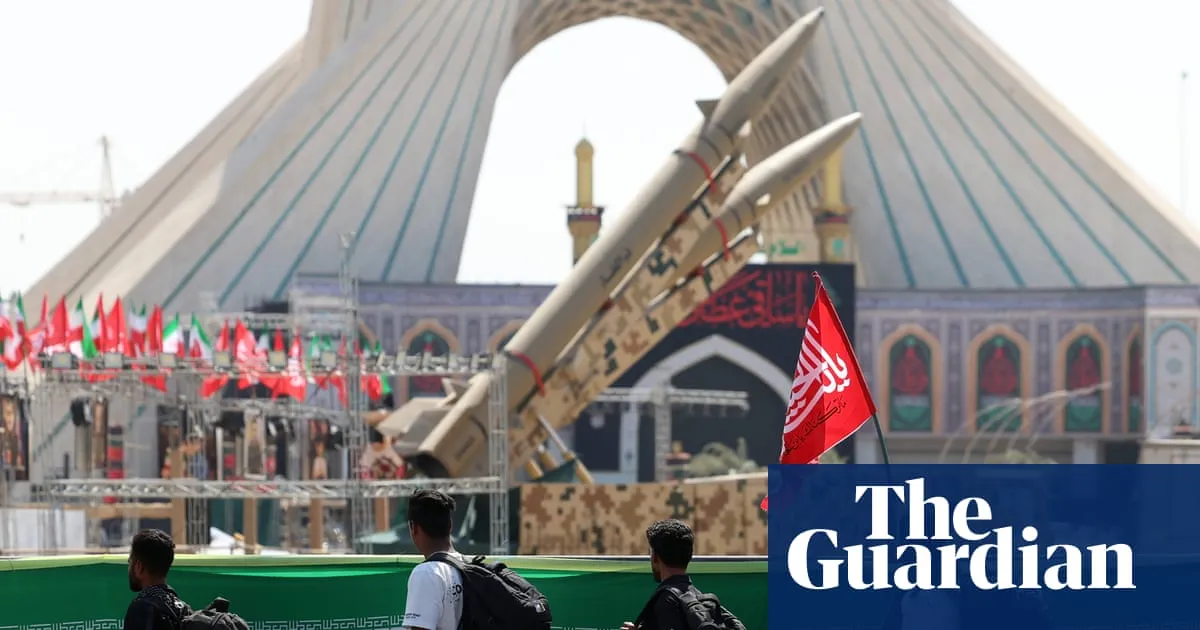
The Guardian - World NewsFIG 01
Reading time
3min
Word count
678words
Sources cited
7cited
Entities identified
12entities
Quality score
100%
§ 01
Briefing Summary
AI-generatedNEWSAR · AI
President Trump announced the US would delay new strikes on Iran, provided a deal to end the conflict is quickly reached. This decision followed intervention by Saudi Crown Prince Mohammed bin Salman, who reportedly urged de-escalation due to concerns about Iranian retaliation against Saudi Arabia and other Gulf countries. Iran had threatened decisive retaliation against neighbors if attacked, and reports indicated Iranian drones hit Kuwait and two ships were attacked off Oman. Trump stated the delay is contingent on Iran opening the Strait of Hormuz and ending its nuclear program.
Confidence 0.90Sources 7Claims 5Entities 12
§ 02
Article analysis
Model · rule-basedFraming
Conflict
Diplomatic
Tone
Mixed Tone
AI-assessed
CalmNeutralAlarmist
Factuality
0.70 / 1.00
Factual
LowHigh
Sources cited
7
Well sourced
FewMany
§ 03
Key claims
5 extracted01
Kuwait reported being hit by Iranian drones, causing material damage but no casualties.
factualKuwait's army
Confidence
0.90
02
Iran threatened to retaliate decisively against neighbors in the event of US strikes.
factualIran
Confidence
0.90
03
Donald Trump stated the US would hold off on new strikes on Iran if a deal to end the conflict is reached quickly.
quoteDonald Trump
Confidence
0.90
04
Two ships were attacked off Oman in the Strait of Hormuz.
factualUnited Kingdom Maritime Trade Operations
Confidence
0.80
05
Saudi Crown Prince Mohammed bin Salman urged Trump to de-escalate and refrain from launching strikes.
quoteSource with knowledge of the Trump-Mohammed call
Confidence
0.80
§ 04
Full report
3 min read · 678 words§ 05
Entities
12 identifiedKey playerOppositionContextPositiveNeutralNegative
People3
§ 06
Keywords & salience
9 termsiran strikes
1.00
de-escalation
0.90
saudi arabia
0.80
donald trump
0.80
tehran regime
0.70
conflict resolution
0.60
strait of hormuz
0.50
iranian drones
0.50
retaliation threats
0.40
§ 07
Topic connections
Interactive graph Network visualization showing 51 related topics
View Full Graph Person Organization Location Event|Click node to navigate|Edge numbers = shared articles