

Neanderthals
Person ScienceNeanderthals: Ancient human relatives, now known for complex behavior, interbreeding, and fire use.
Mentions:1
7 Days:0
Velocity:-100.0%
About
Neanderthals were a hominin species that thrived across Eurasia for hundreds of thousands of years, disappearing approximately 40,000 years ago. Recent discoveries are challenging previous perceptions of them as primitive. Archaeological evidence suggests they were capable of complex behaviors, including hunting large game like forest elephants (as evidenced by finds in Lehringen), potentially creating art or symbolic markings (engraved mammoth figurine), and deliberately making fire much earlier than previously believed (Suffolk, Britain). Genetic analysis reveals interbreeding between Neanderthals and modern humans, with Europeans today carrying approximately 2% Neanderthal DNA. Furthermore, studies are exploring the nuances of these ancient couplings, including potential biases in which sex contributed more genes. These findings highlight Neanderthals' cognitive abilities and their significant role in human history and evolution, prompting ongoing research and reevaluation of their place in our understanding of human origins.
Last updated: August 29, 2026
Recent News
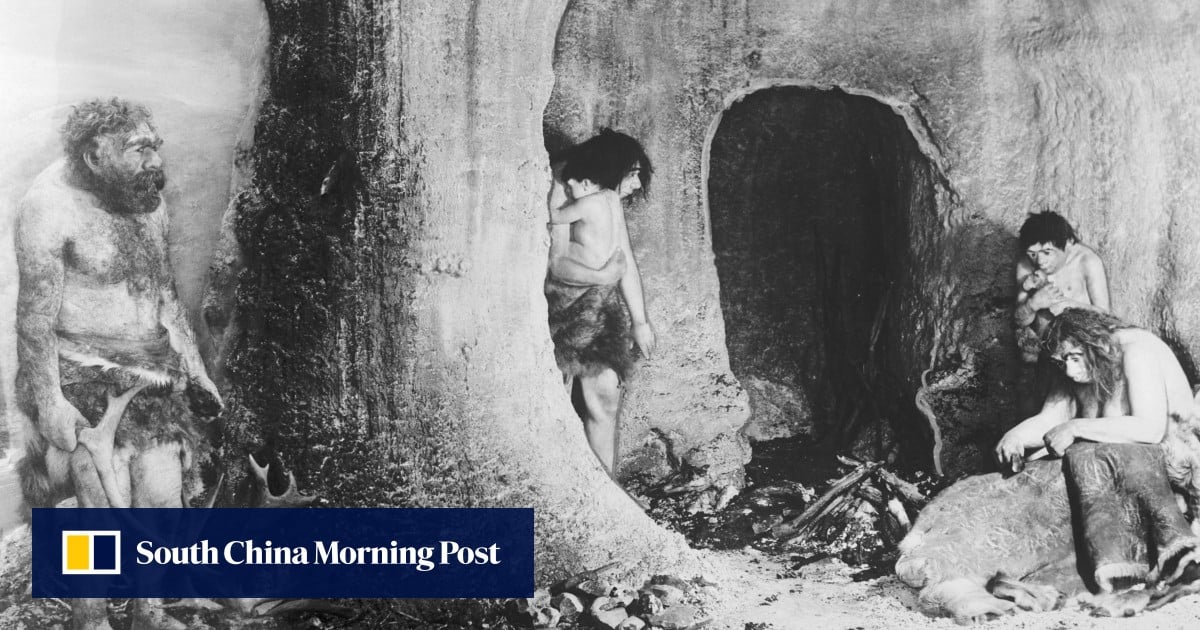
Recent analysis shows Neanderthals may have been first dentists in recorded history

China scientists argue that harsh settings, not warm climates, drive early human creativity
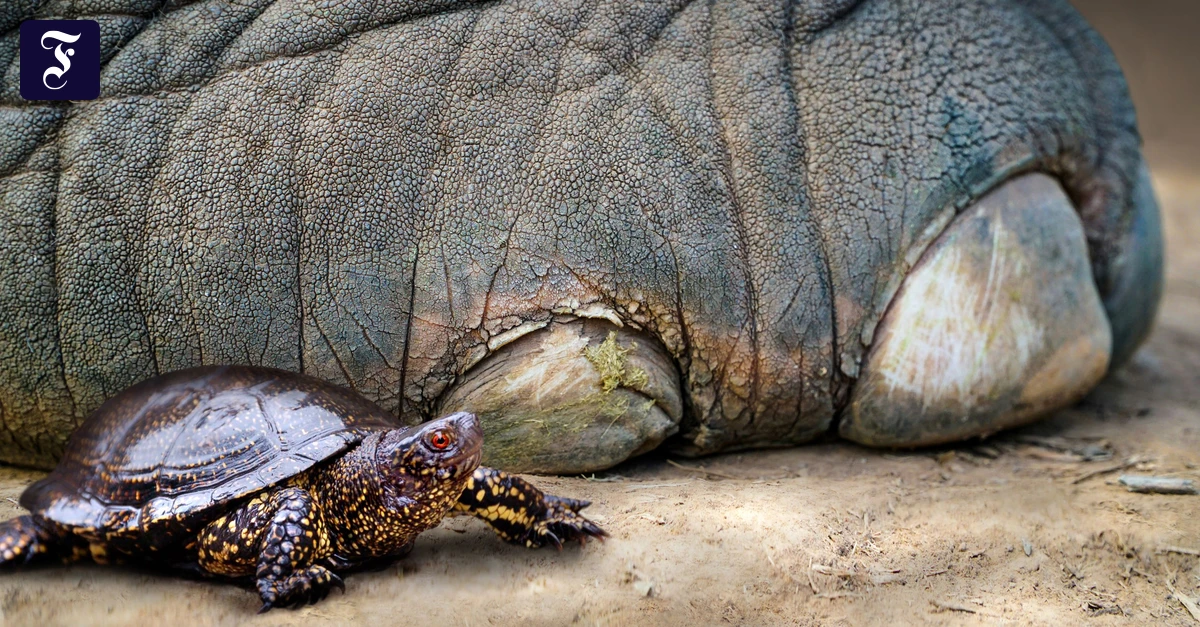
Panzer als Schöpflöffel?: Warum Neandertaler Sumpfschildkröten jagten

Lehringen: Neandertaler schlachteten vor 125.000 Jahren Waldelefanten
A genetic analysis reveals new details on ancient couplings between humans and Neanderthals
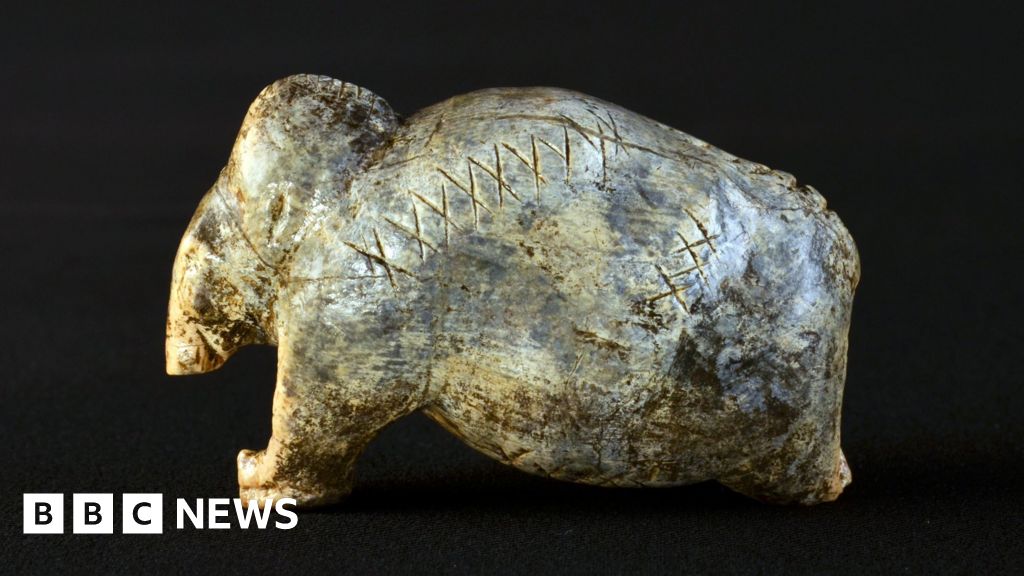
First writing may be 40,000 years earlier than thought
The Year in Neanderthal Discoveries
