

Alvia
OrganizationAlvia is a Renfe high-speed train involved in a recent fatal accident and service disruptions in Spain.
Mentions:7
7 Days:0
About
Alvia is a high-speed train service operated by Renfe, the Spanish national railway company. It's newsworthy due to a recent increase in negative incidents. An Alvia train was involved in a serious accident in Adamuz, Córdoba on January 18th, 2026, where it collided with an Iryo train, resulting in 46 fatalities and over 100 injuries. This accident has led to a drop in high-speed rail passengers and prompted scrutiny of railway infrastructure. Investigations revealed that a section of track near the accident site lacked quality certification. Furthermore, a separate incident involved an Alvia train experiencing a technical fault with its brakes, causing delays. The accident also delayed Renfe's planned purchase of new high-speed trains. The European Public Prosecutor's Office is investigating potential fraud related to funds allocated for maintaining the high-speed rail line to Seville, adding another layer of concern to Alvia's current situation.
Last updated: September 23, 2026
Recent Coverage

Da a luz la mujer embarazada que resultó herida grave en el accidente de Adamuz
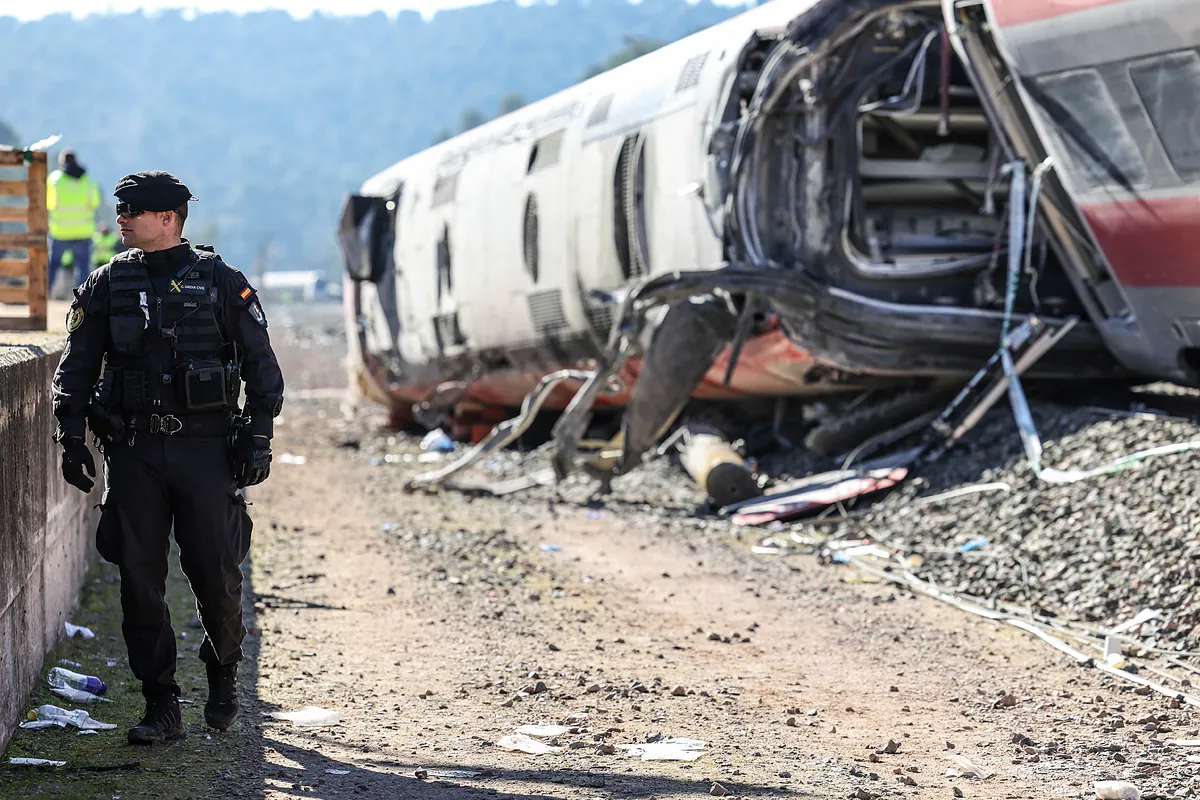
La CIAF pone el foco también en el sistema de seguridad del Alvia tras no hallar registros de su activación en la caja negra tras el choque en Adamuz
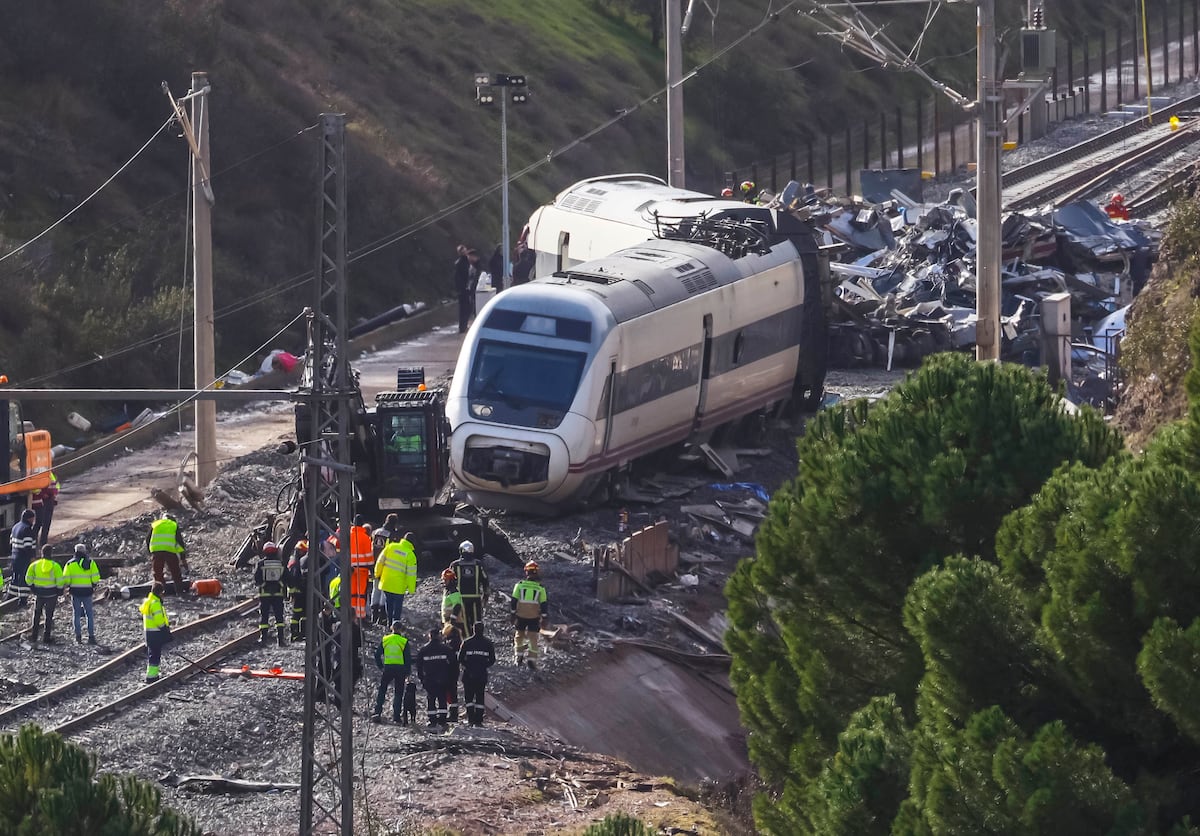
La investigación del accidente en Adamuz busca nuevas pruebas sobre la respuesta del sistema de seguridad y un frenazo del Alvia siniestrado
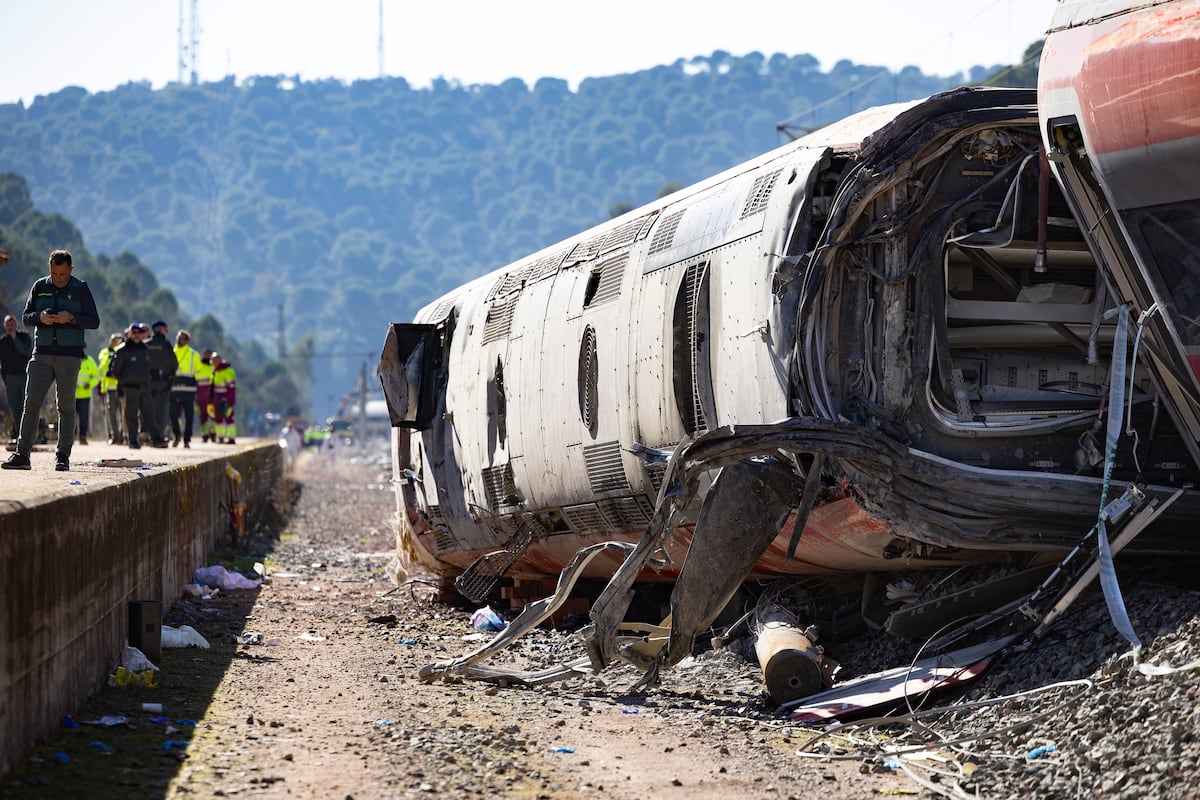
La Guardia Civil certifica que la vía de Adamuz se rompió un día antes del accidente, pero el sistema no alertó

La Guardia Civil concluye que la vía de Adamuz se rompió el día antes del accidente

Los sistemas de Adif detectaron una rotura de la vía el día antes del accidente de Adamuz, pero no saltó la alerta por un problema de "configuración"
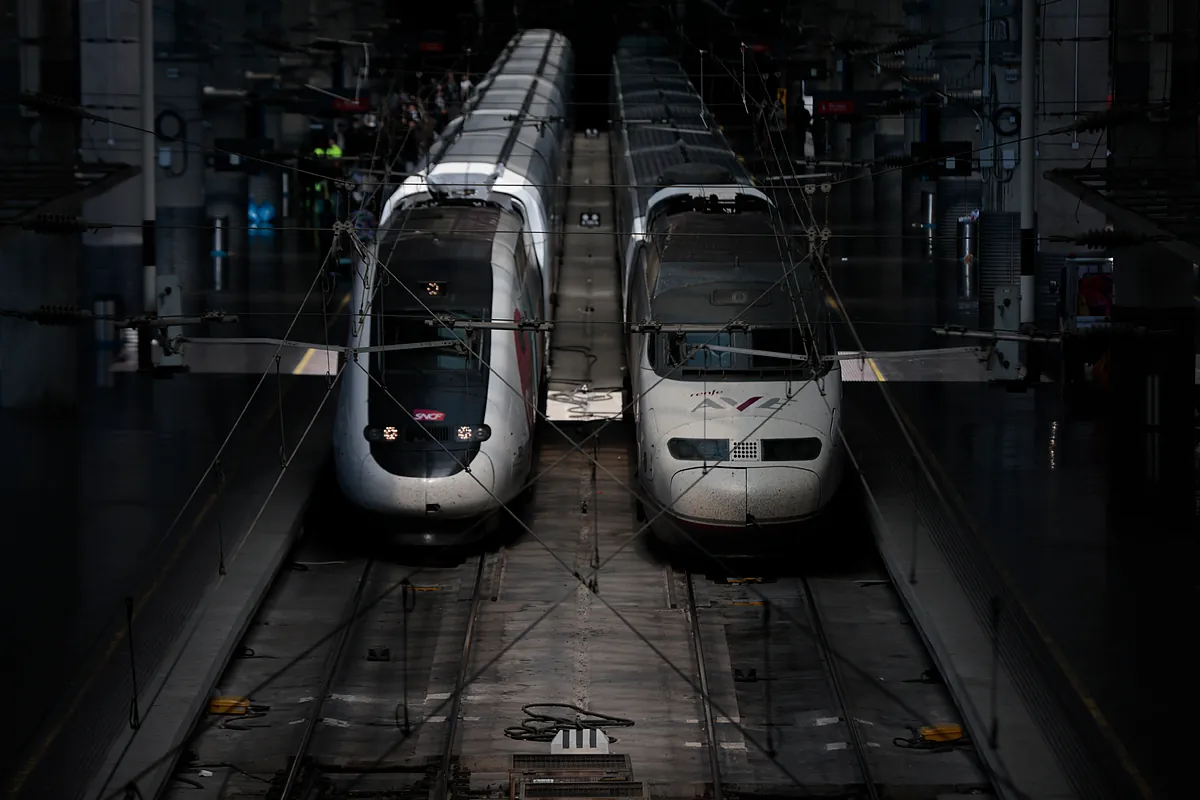
Un tren de Renfe entra en Córdoba "echando humo" y causa retrasos de 64 minutos en las horas previas a la salida de Semana Santa
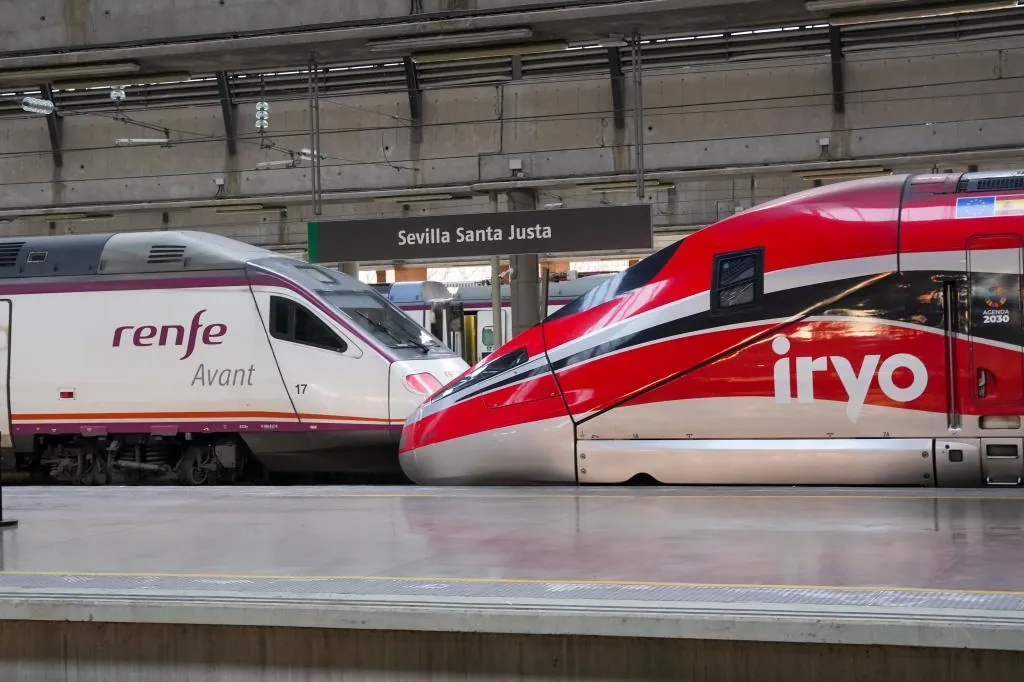
El accidente de Adamuz restó en febrero más de 214.000 viajeros a los corredores de alta velocidad operativos